RESTORATIONS

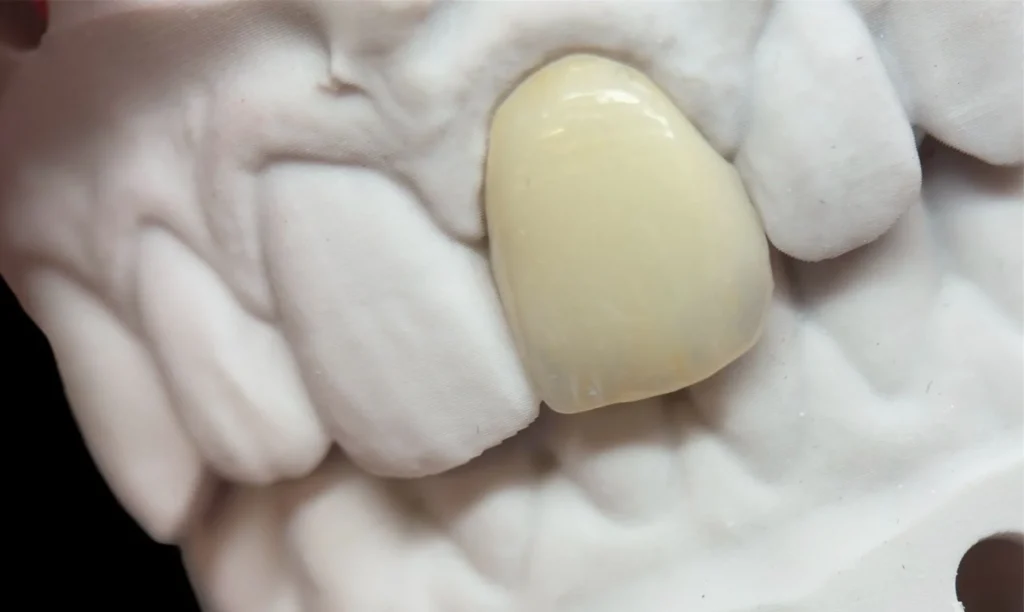
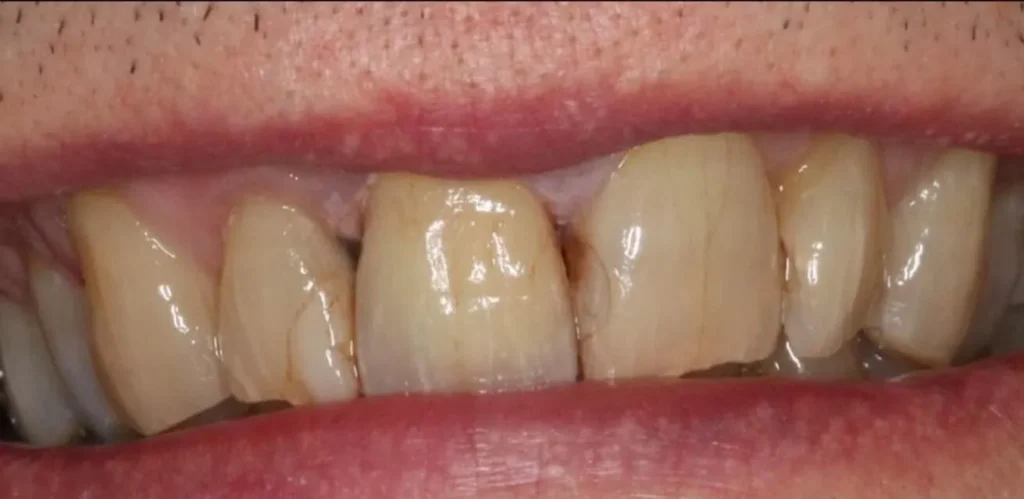
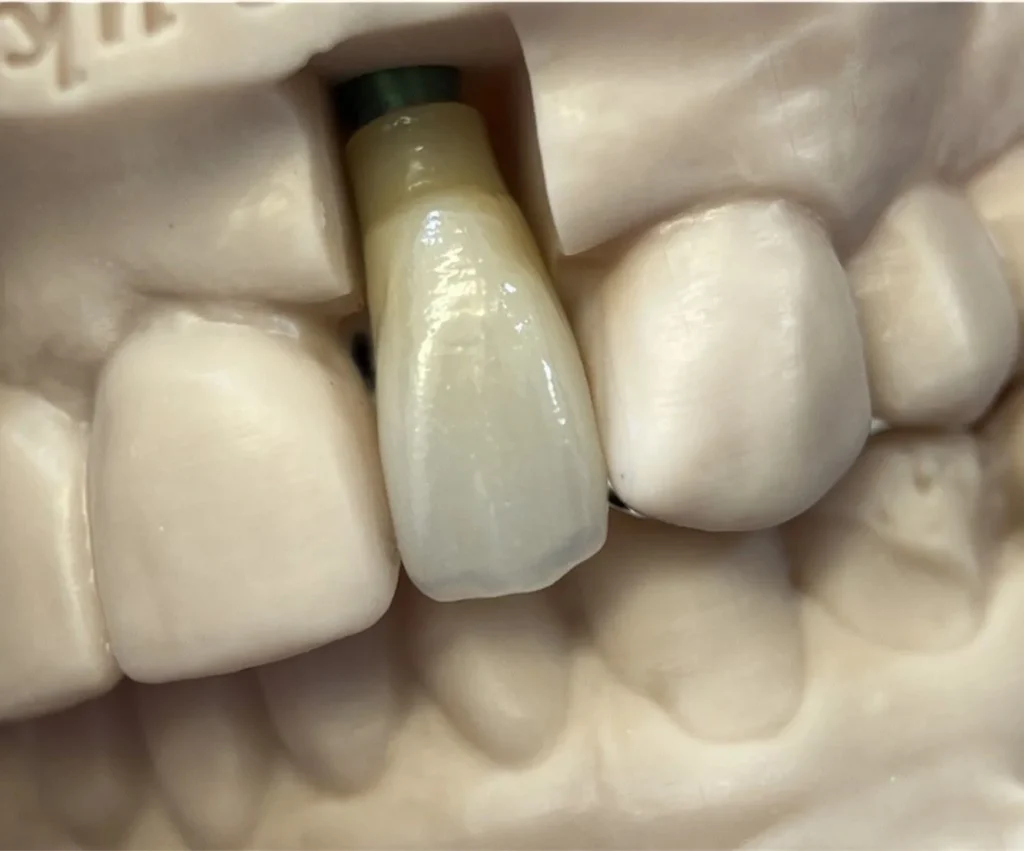
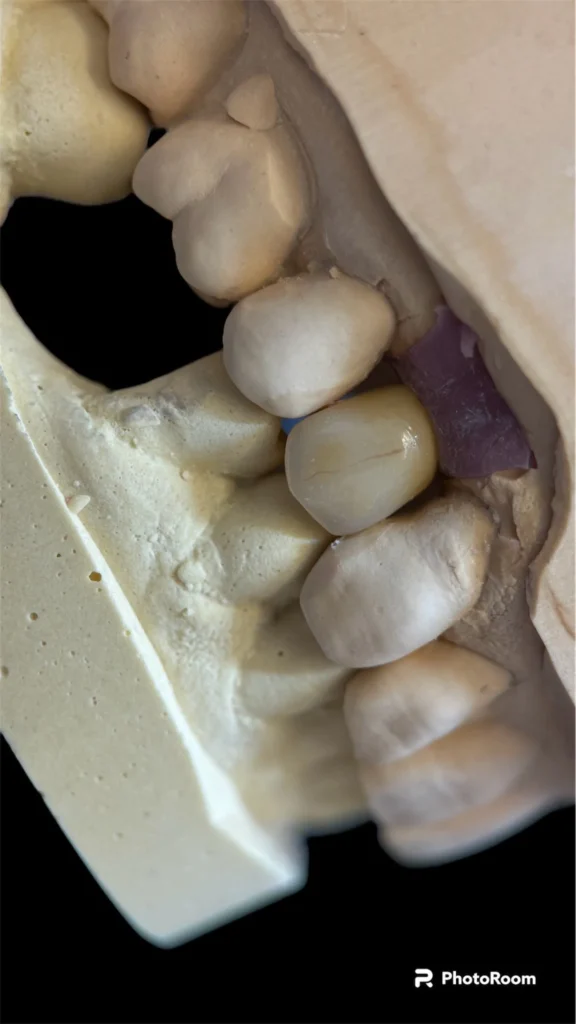
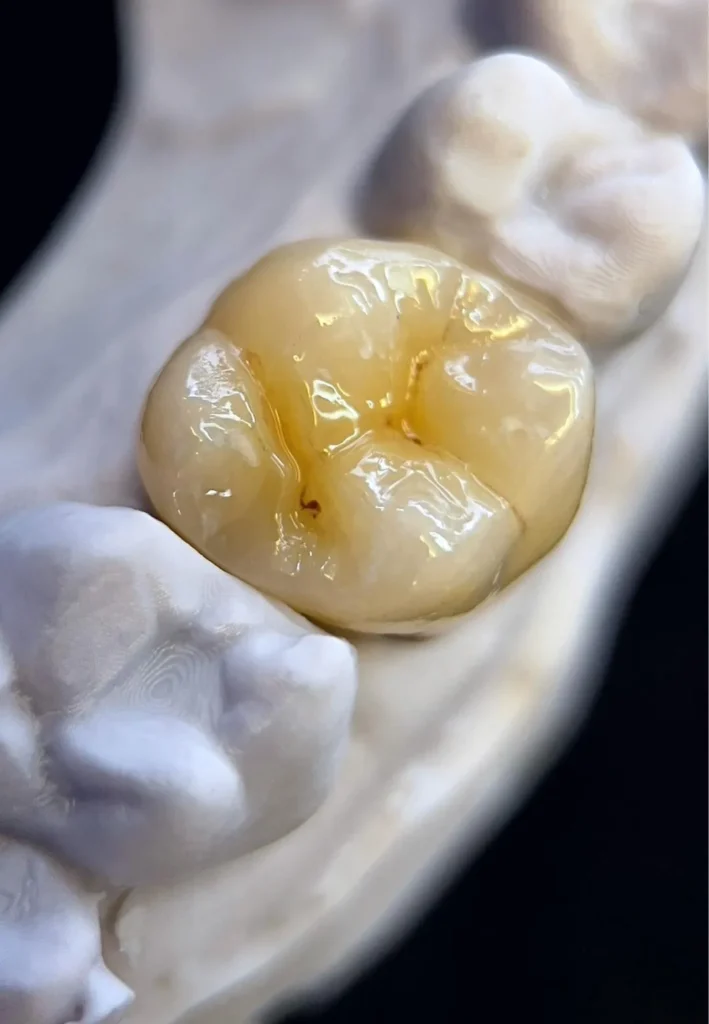
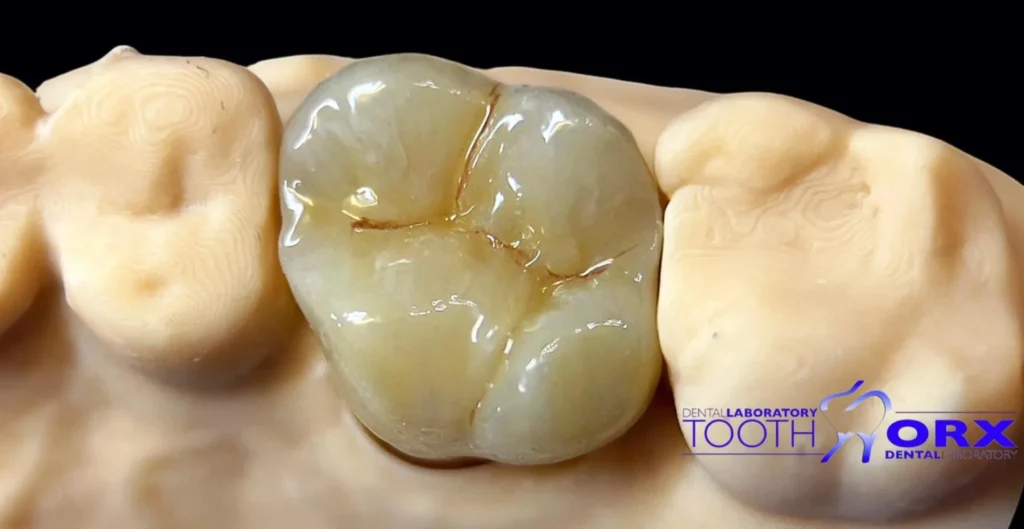
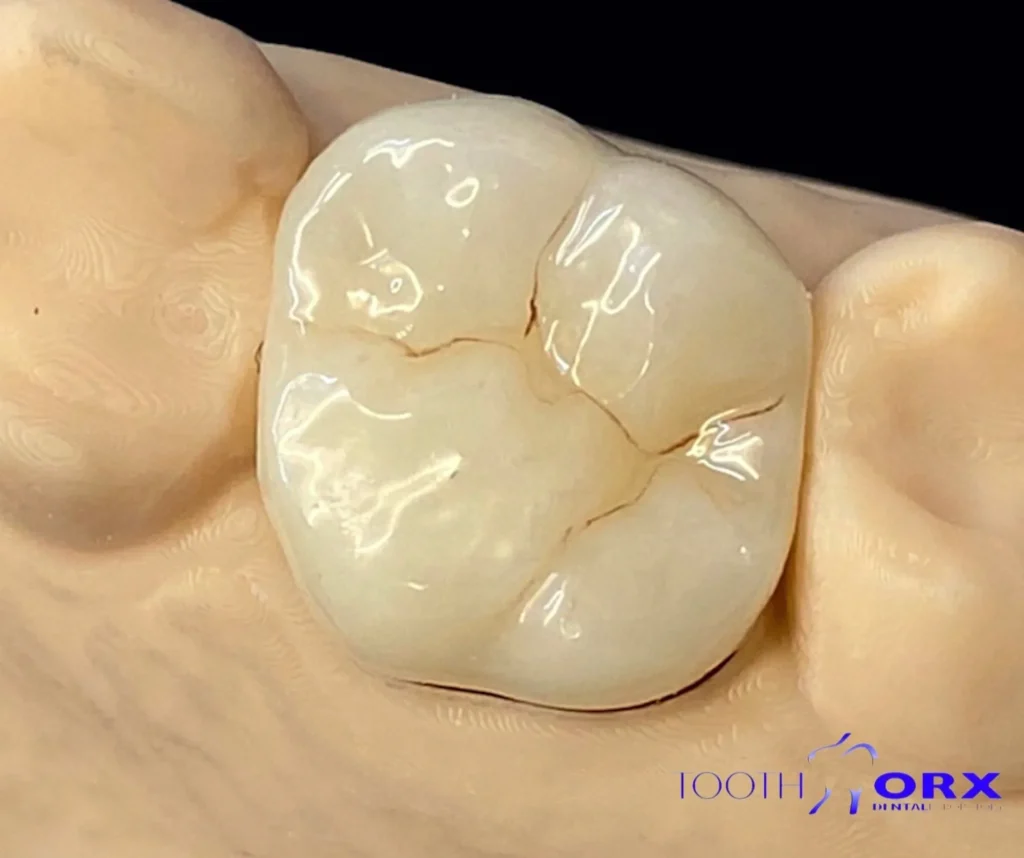
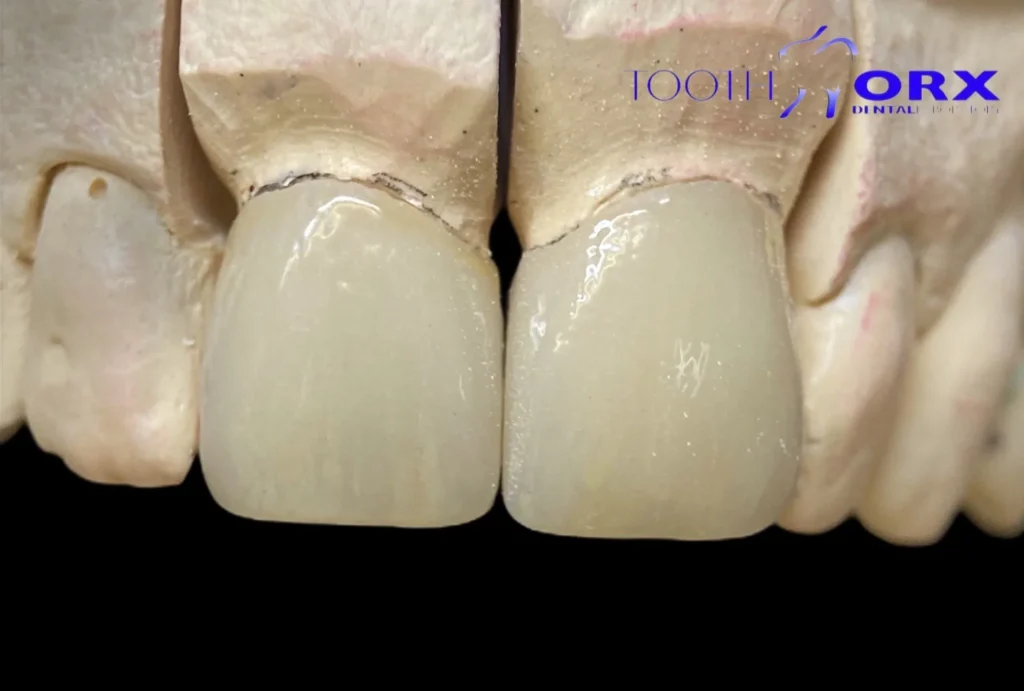
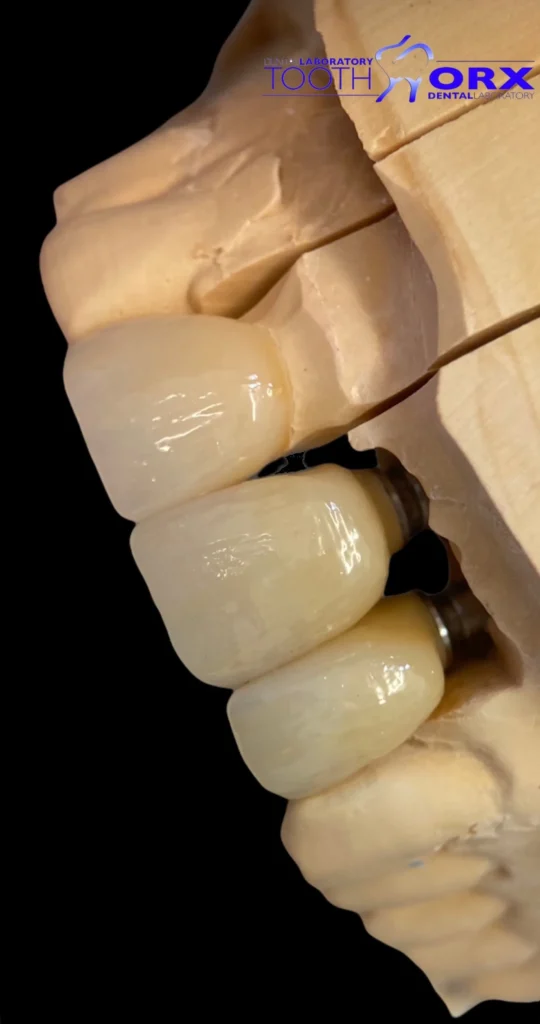
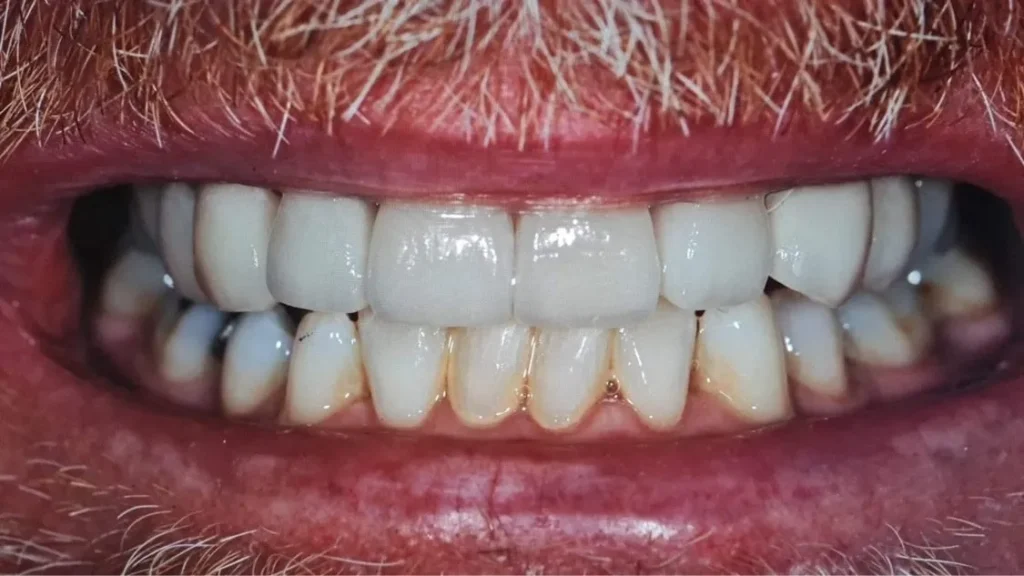
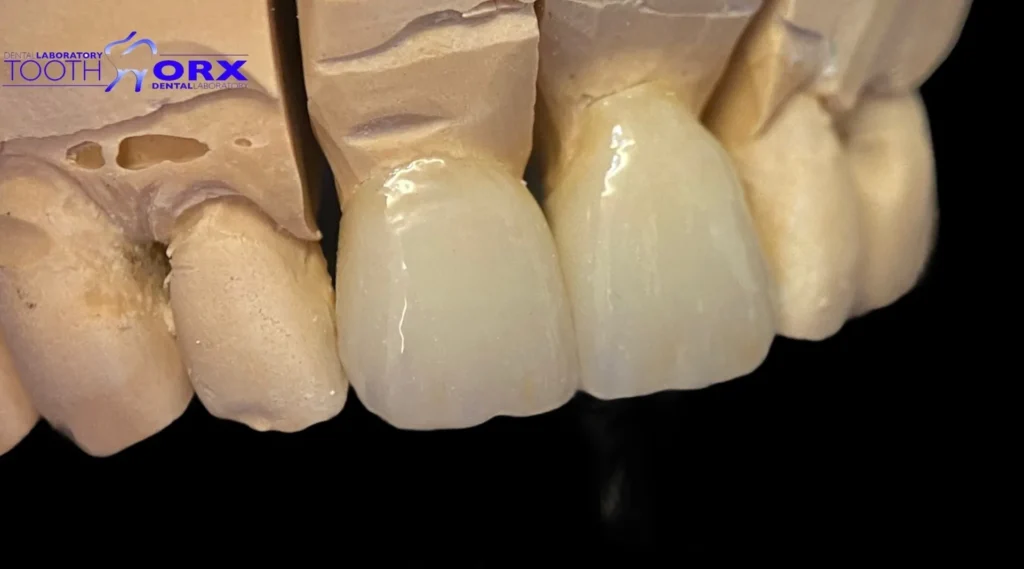
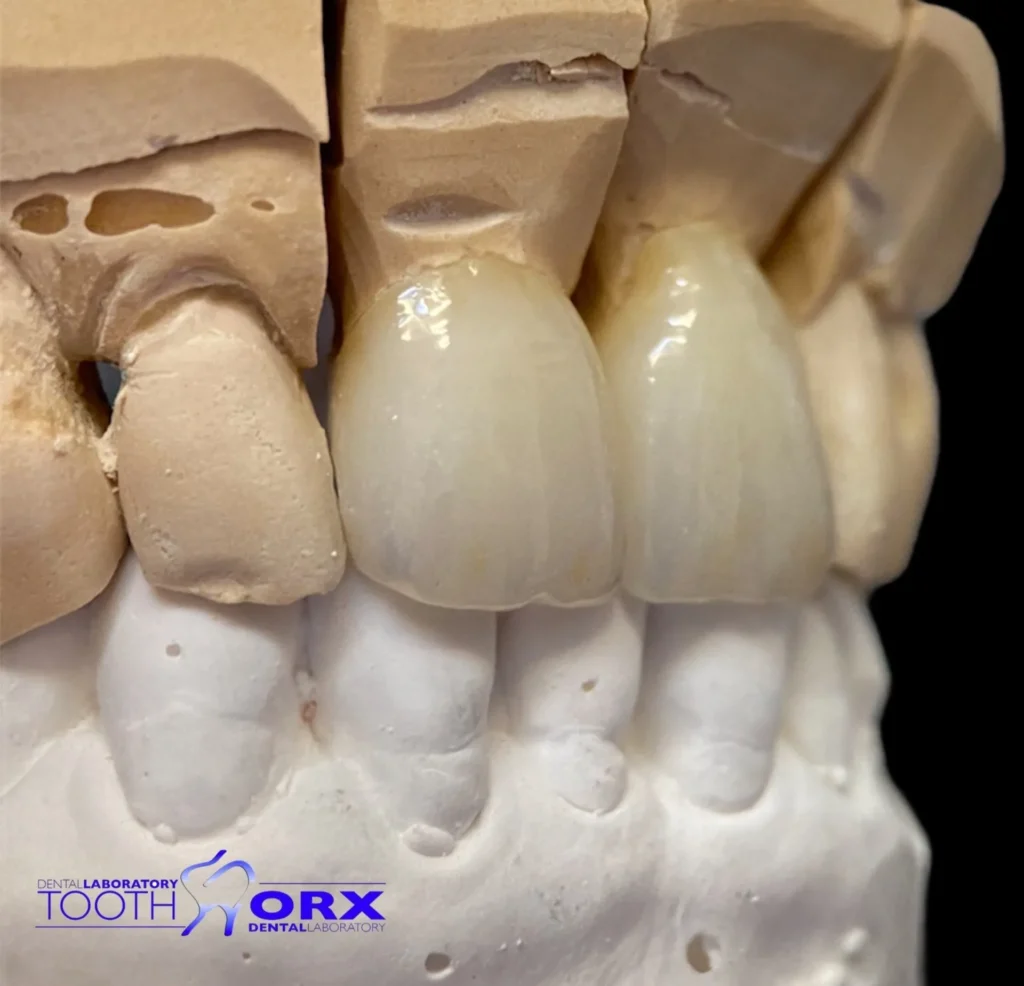
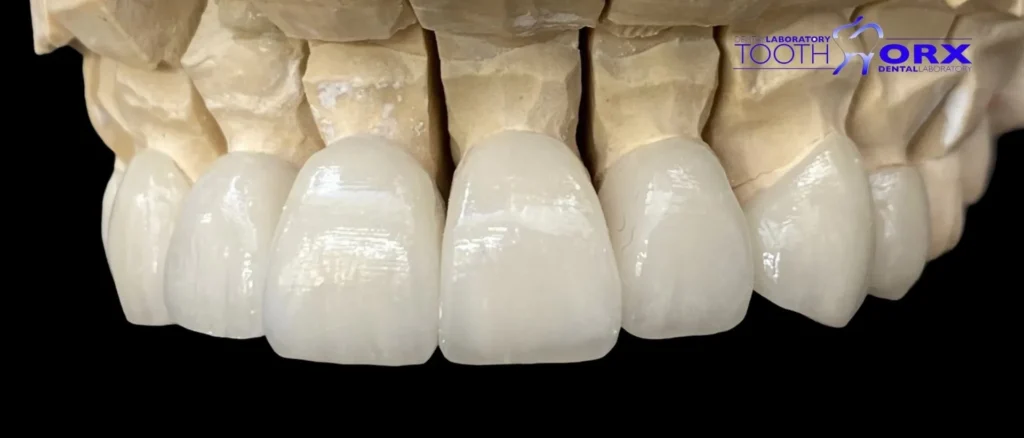
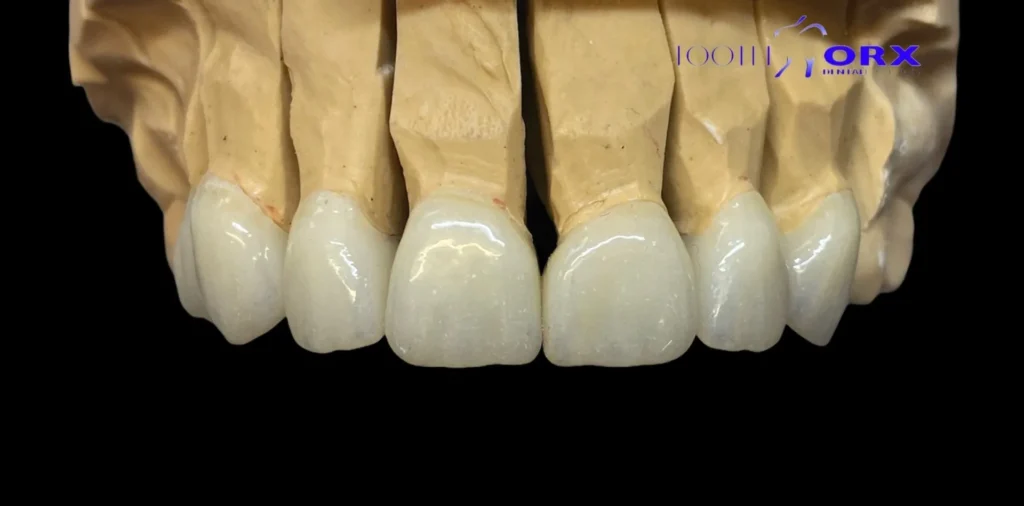
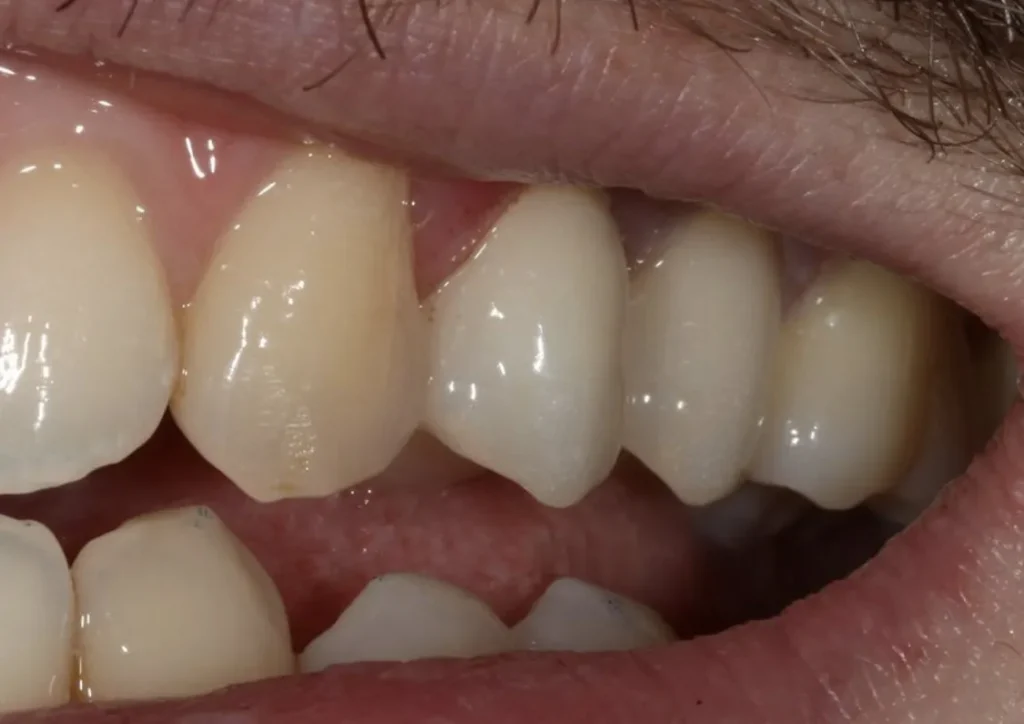
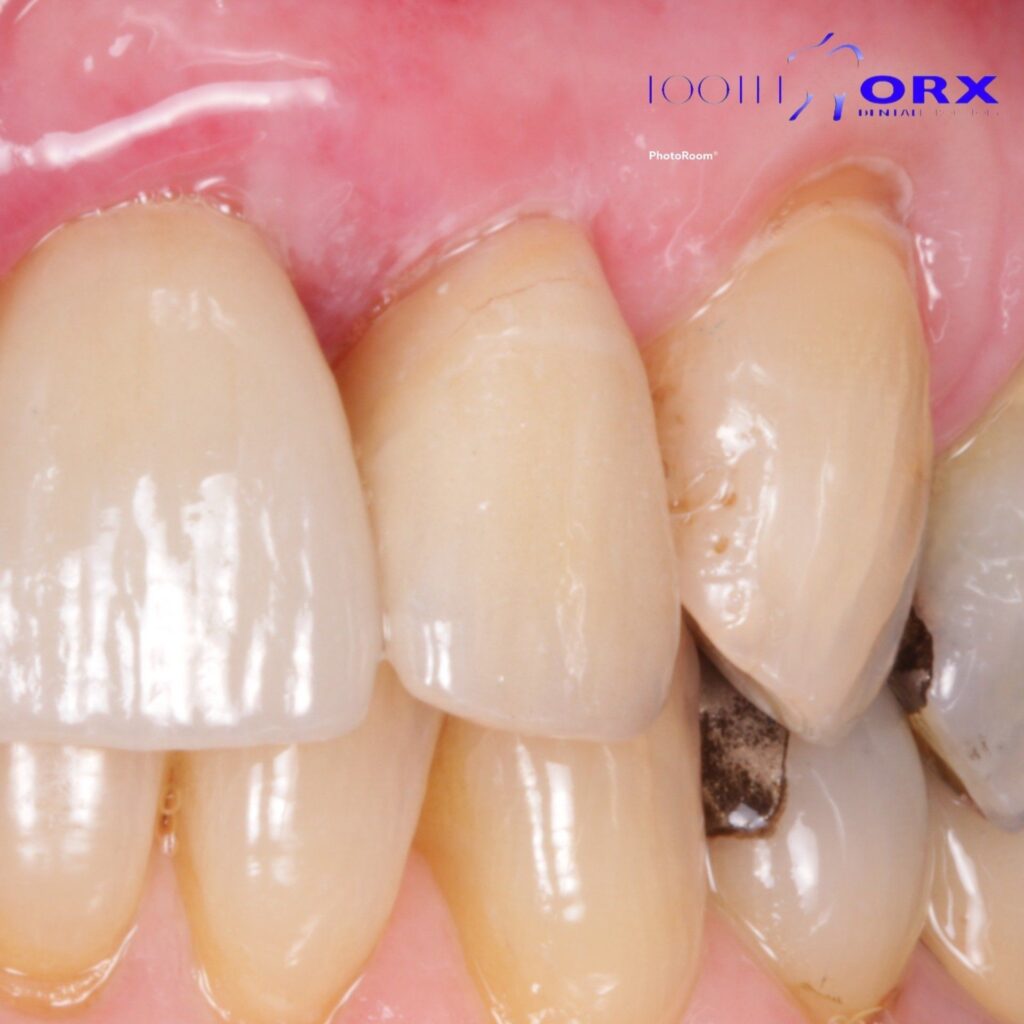
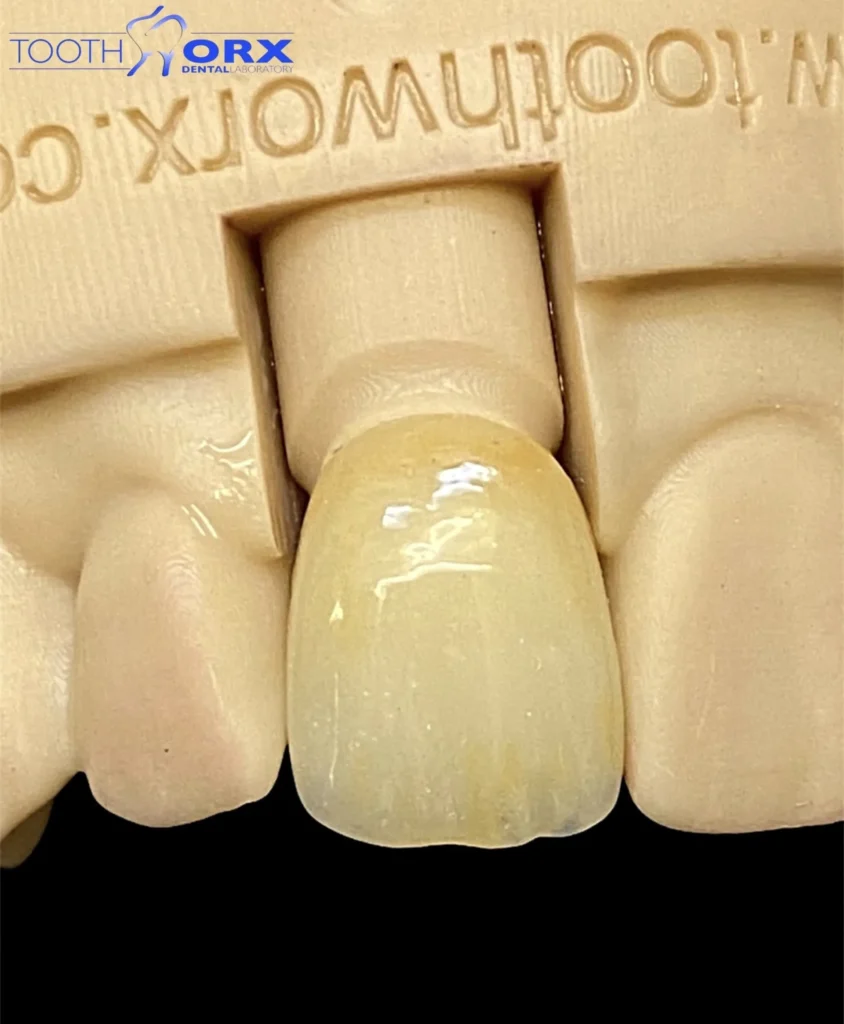
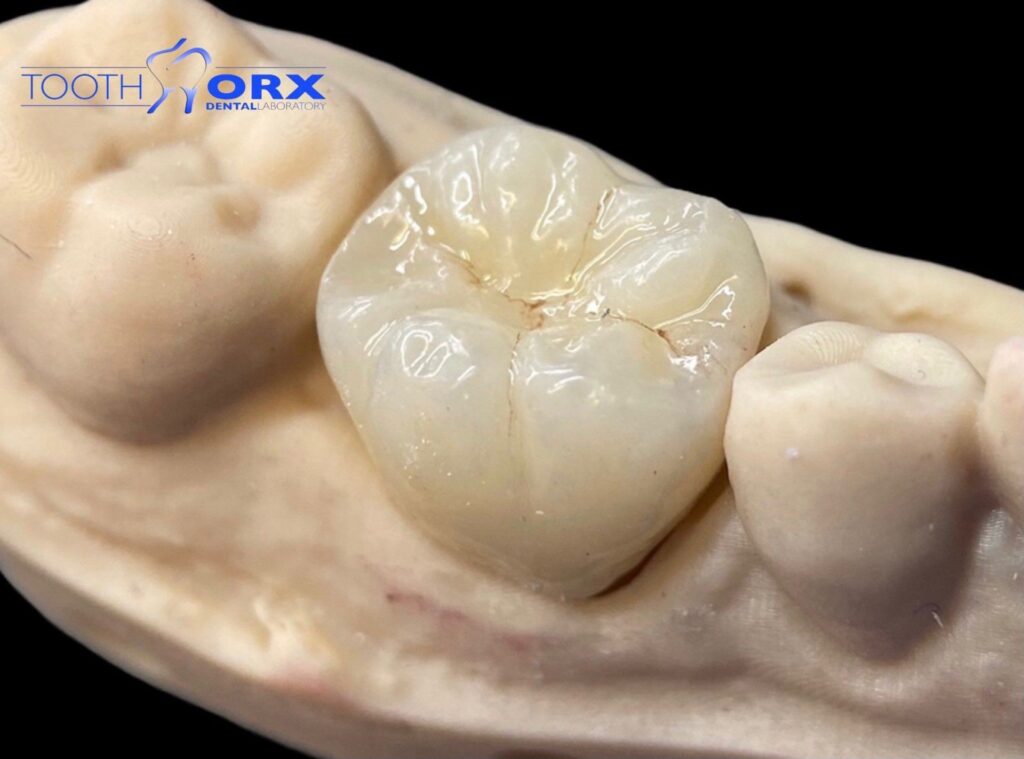
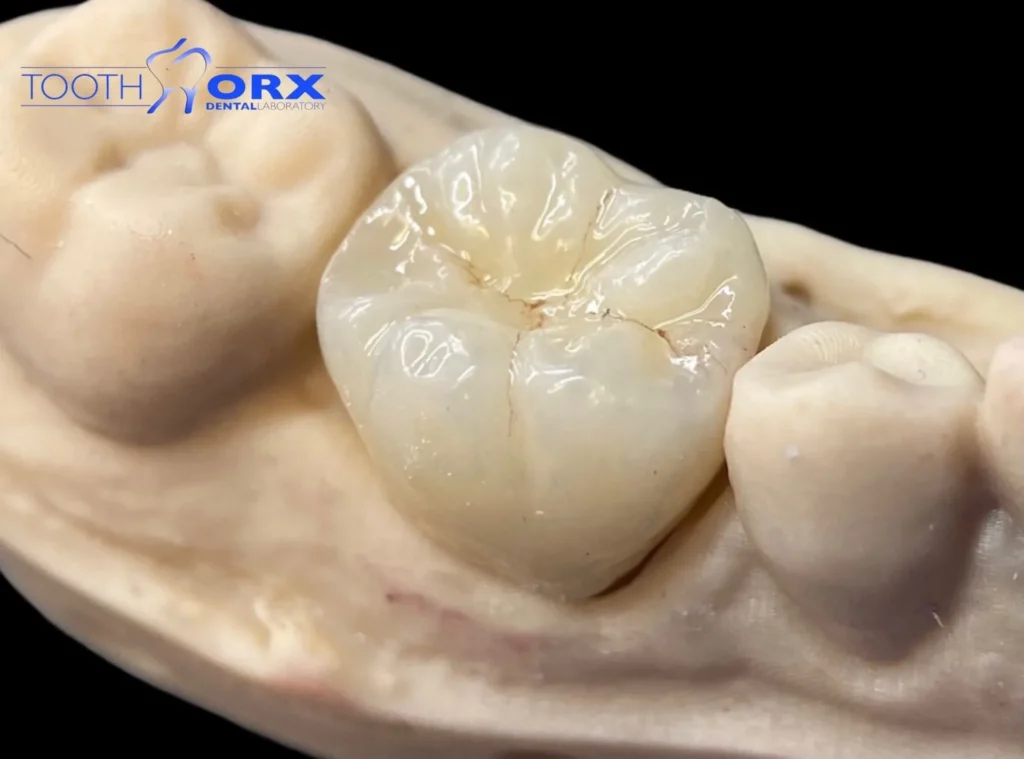
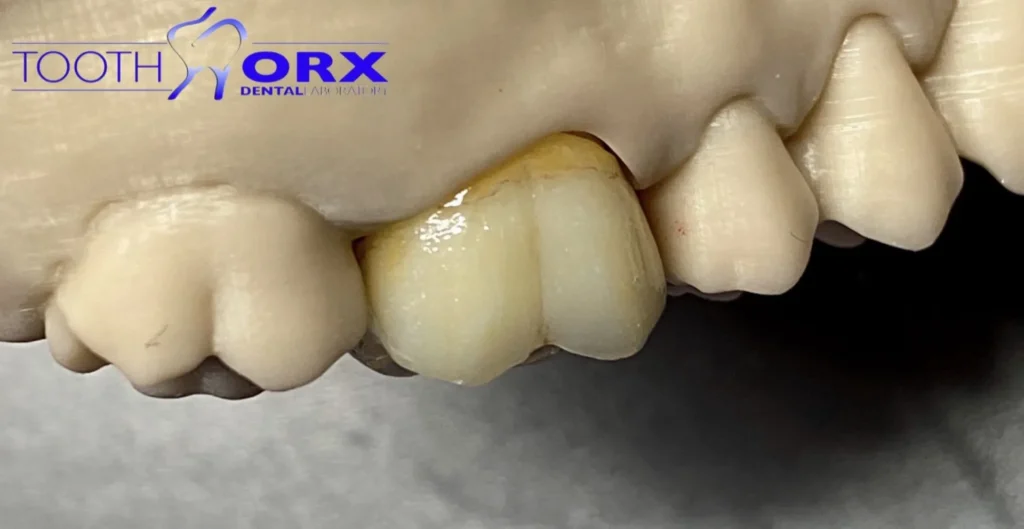
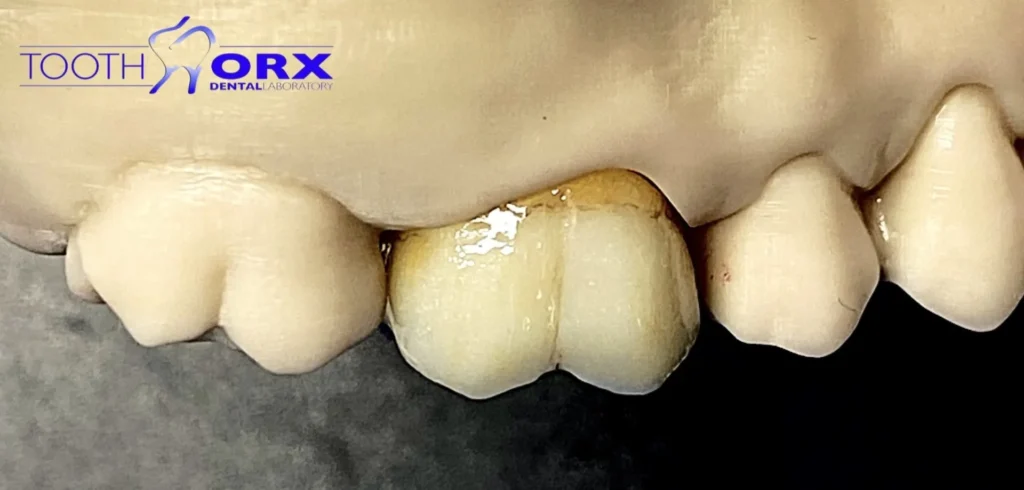
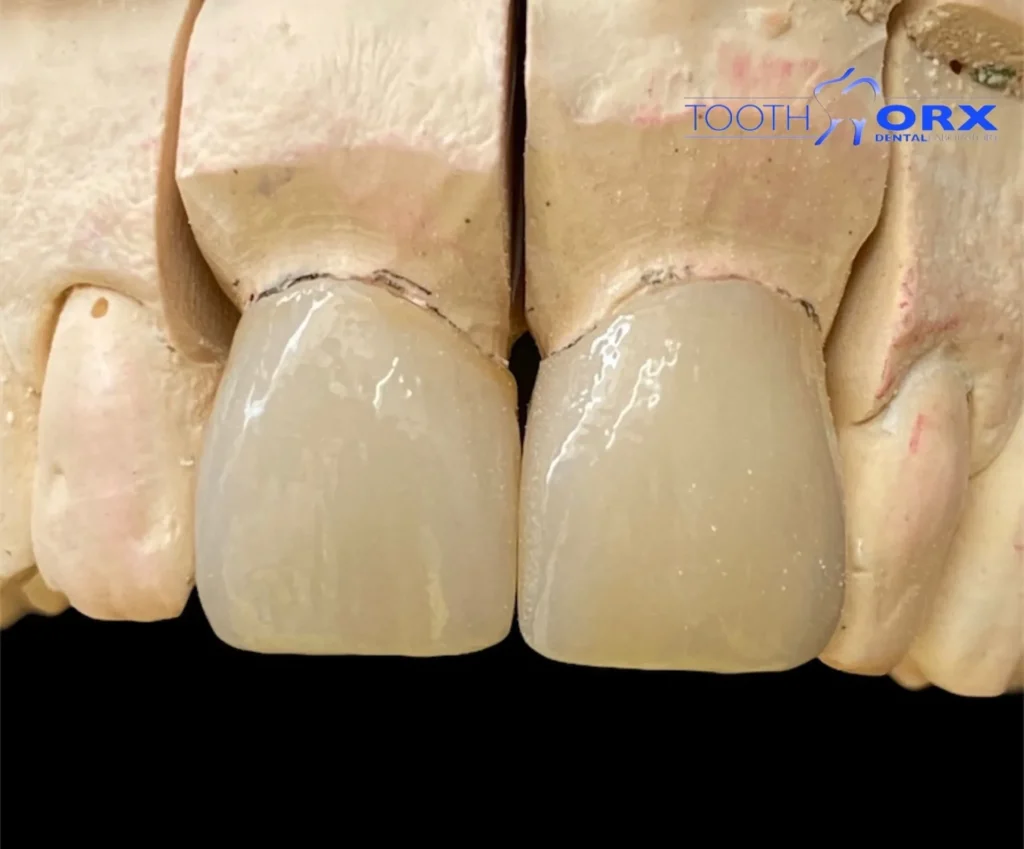
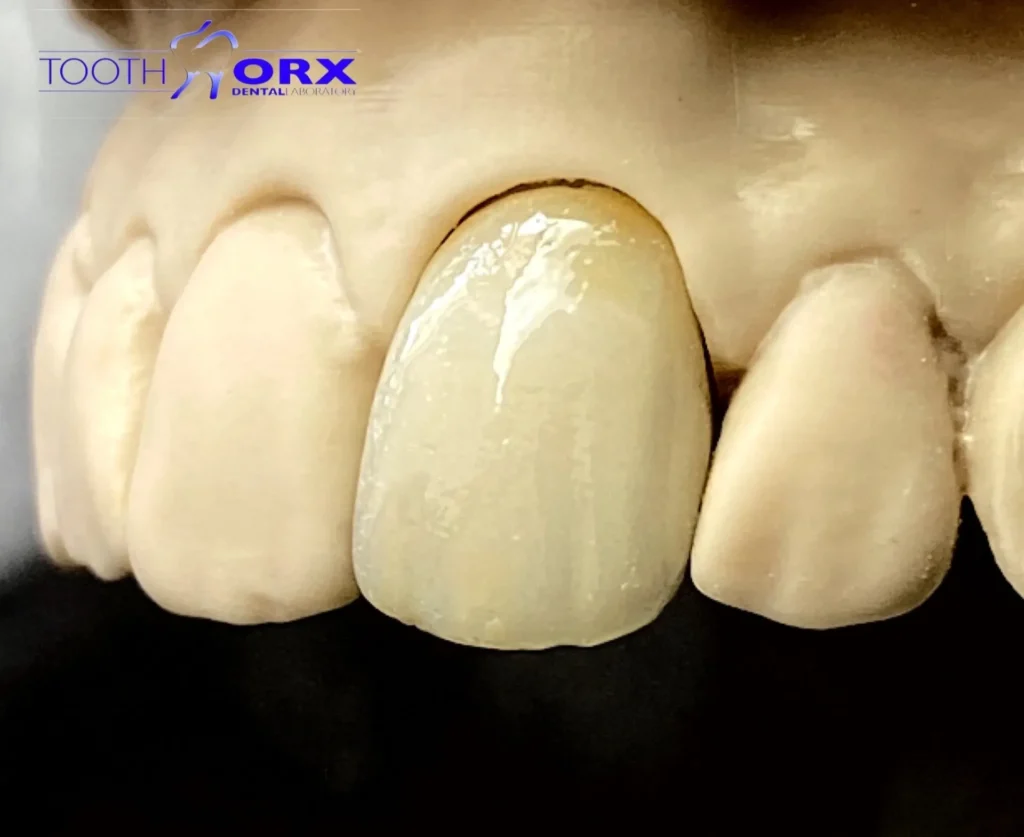
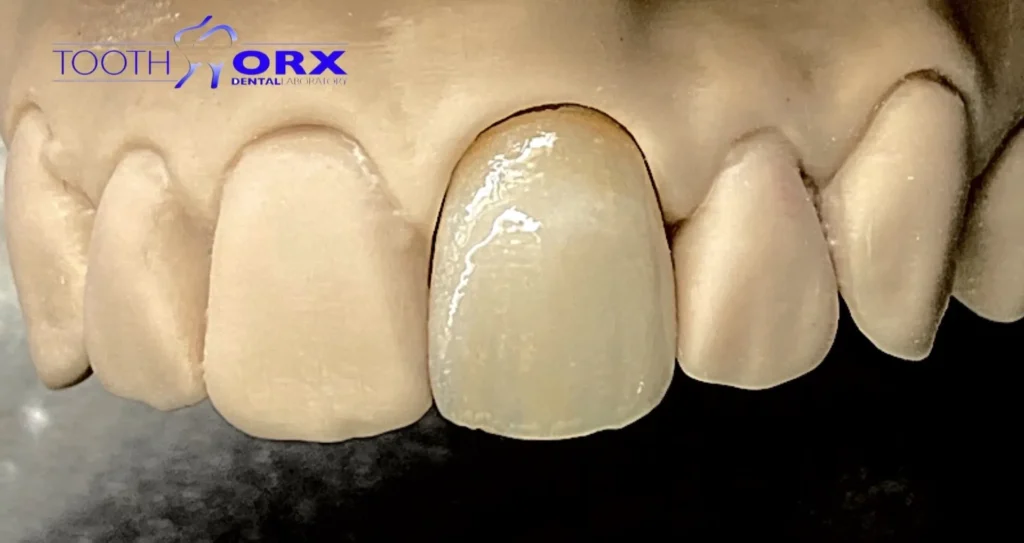
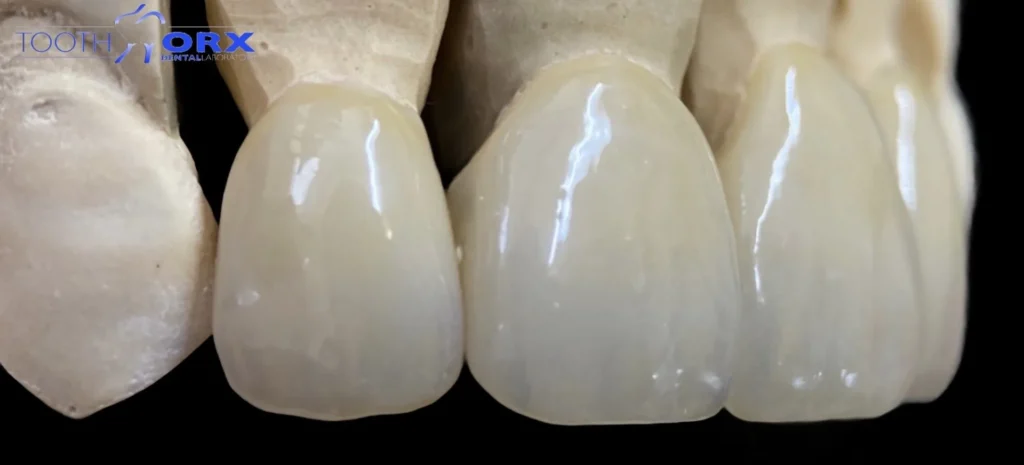
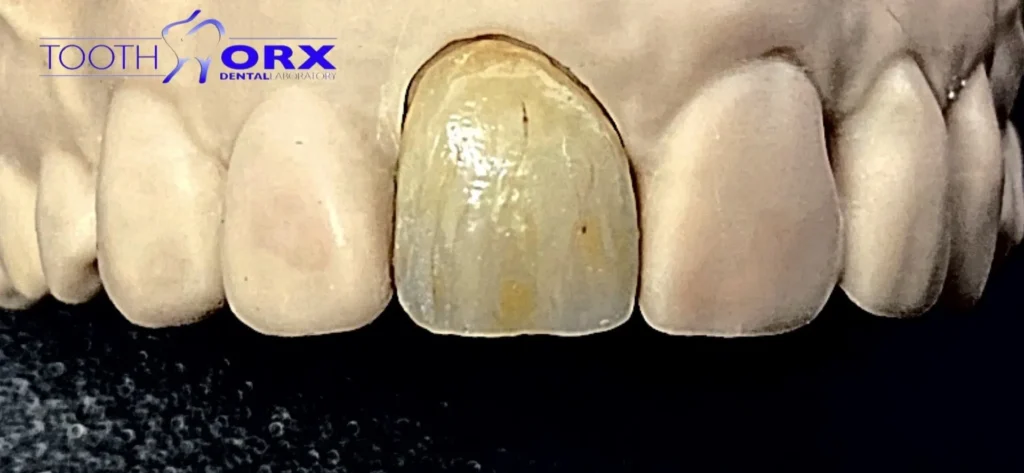
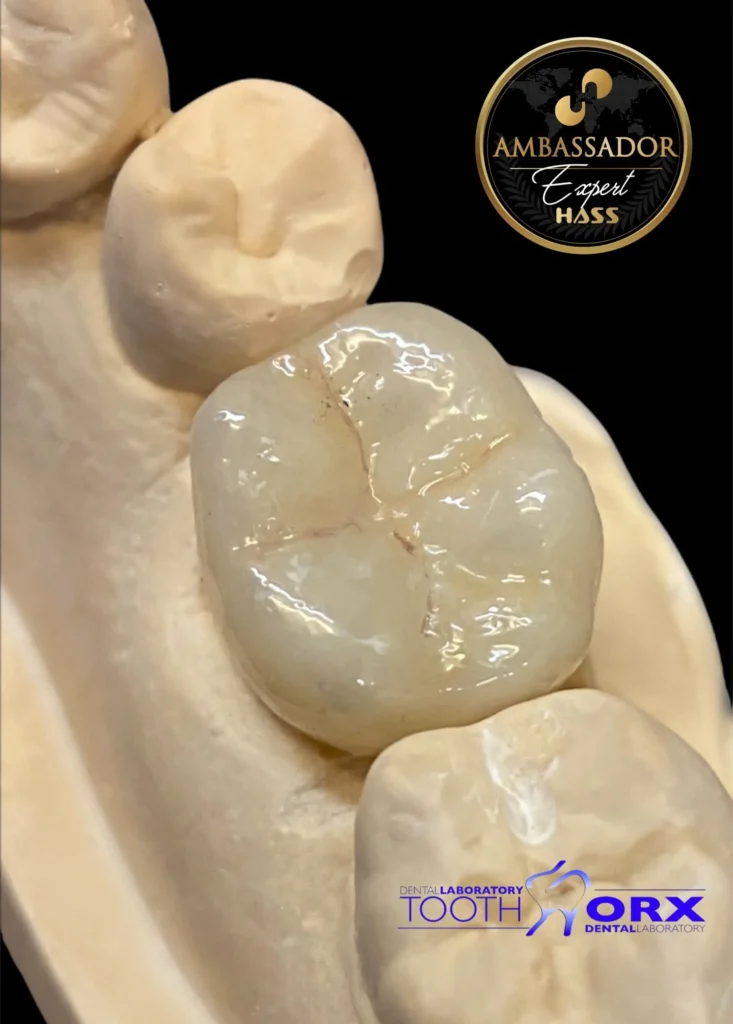
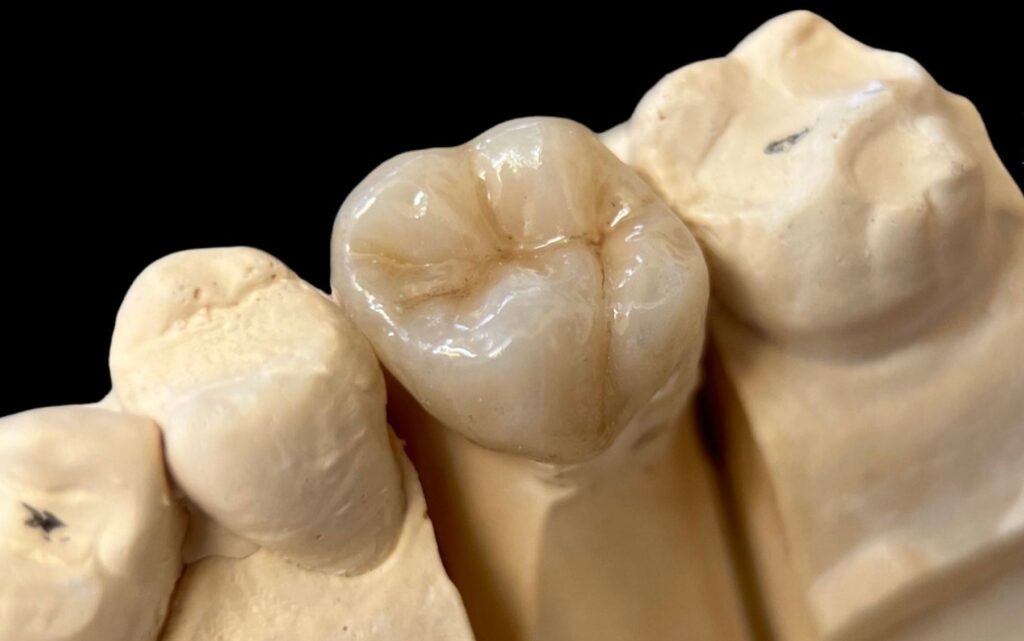
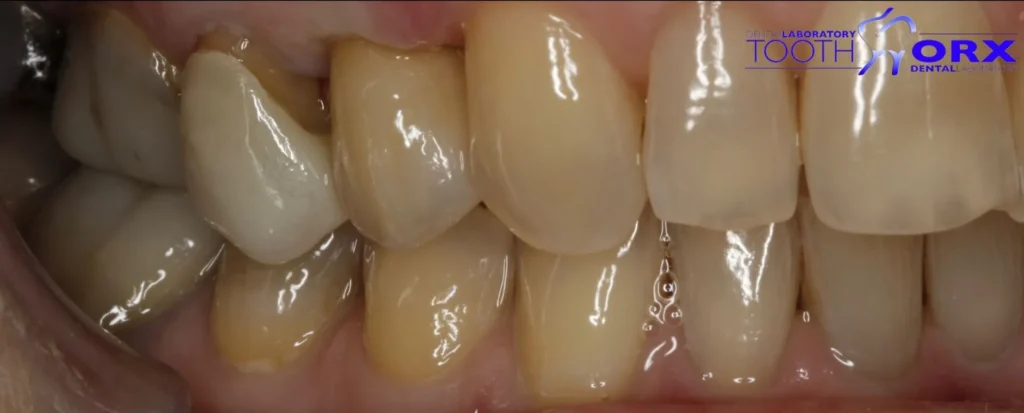
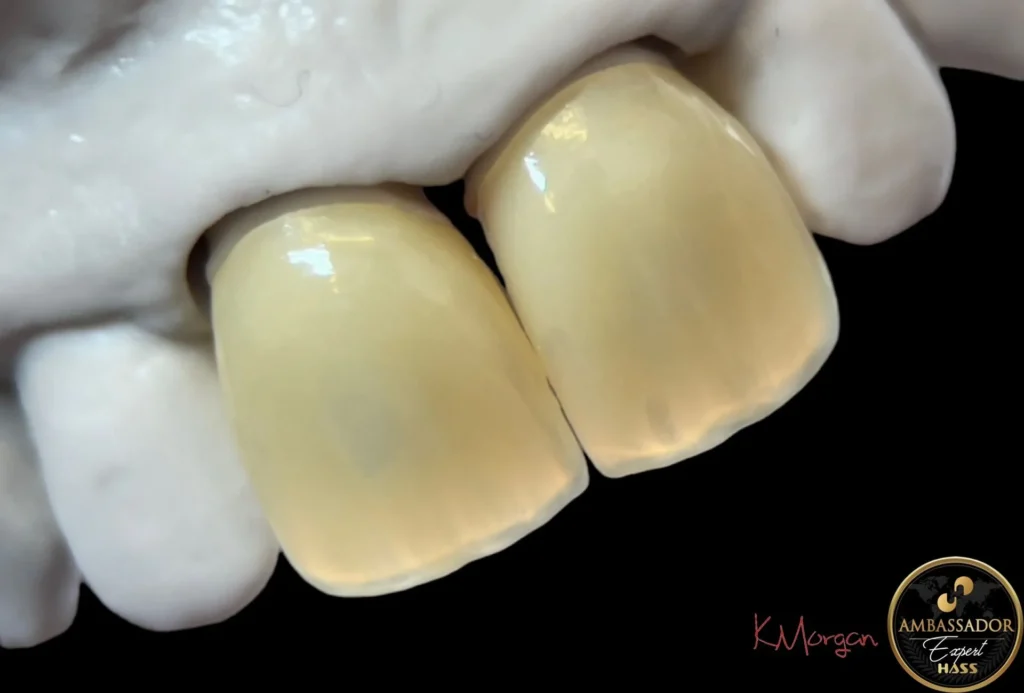
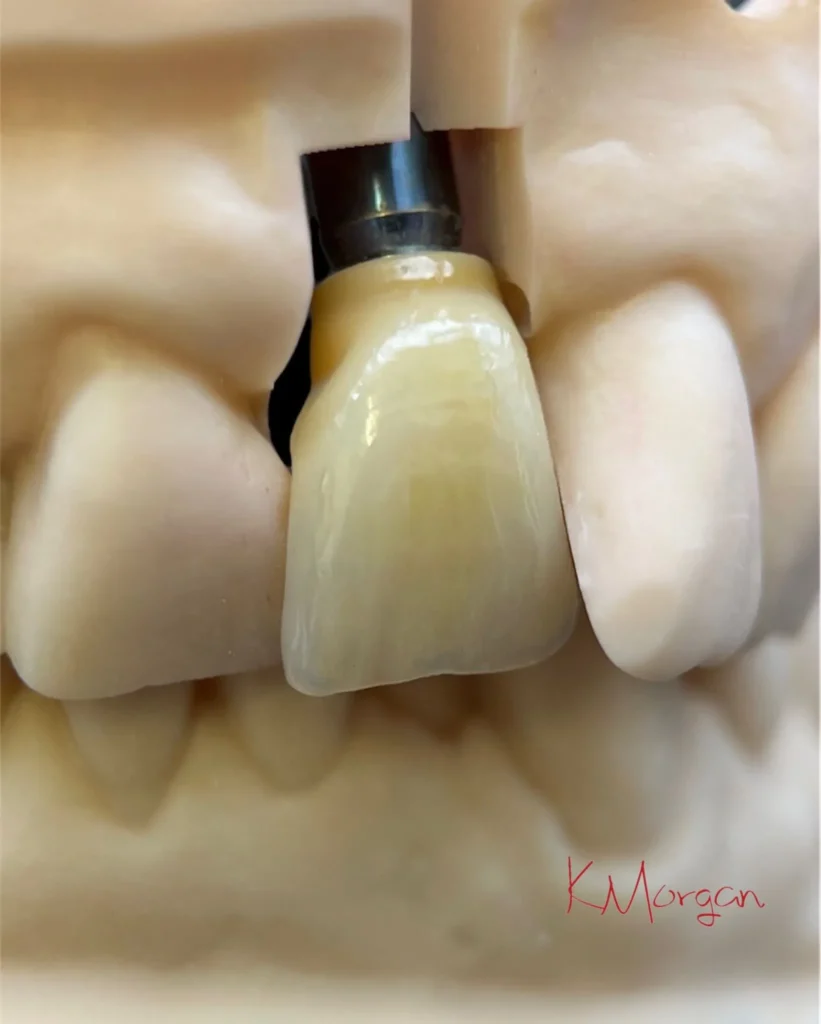
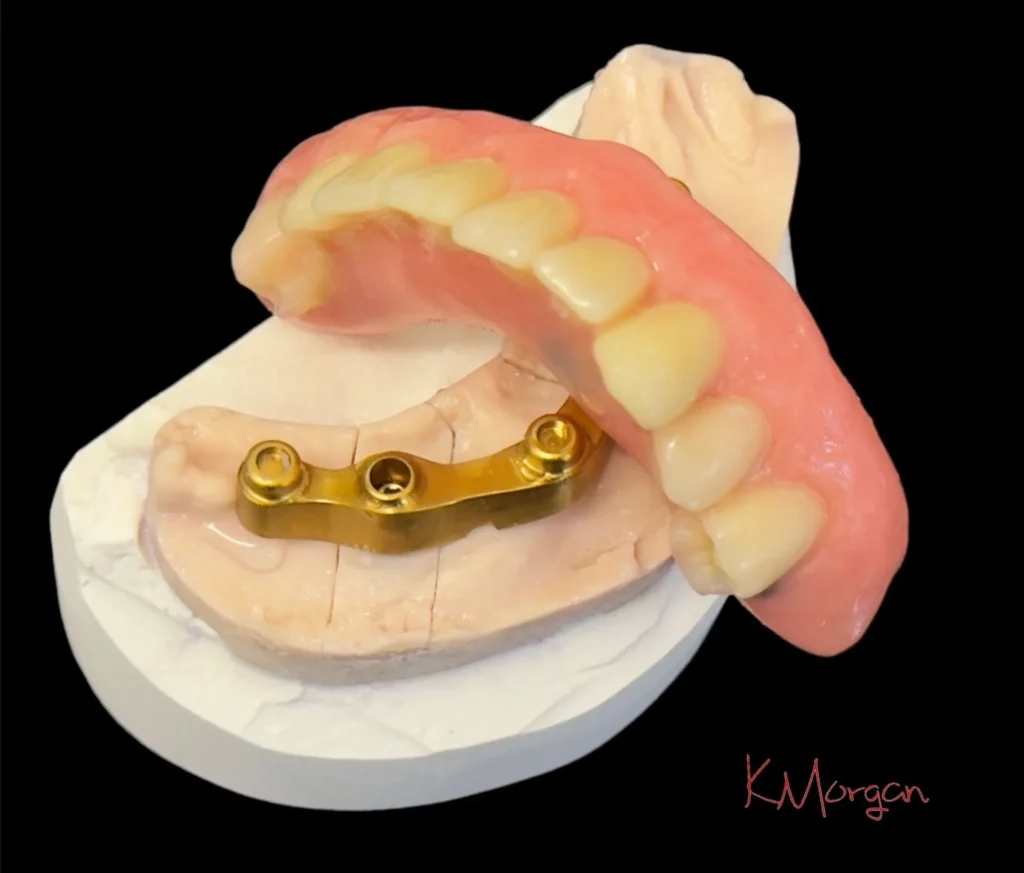
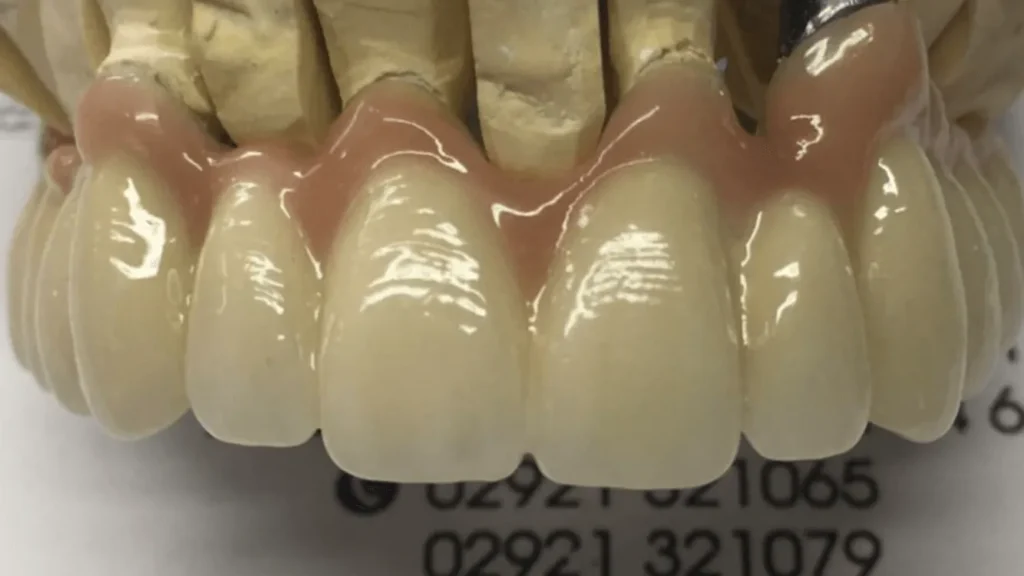
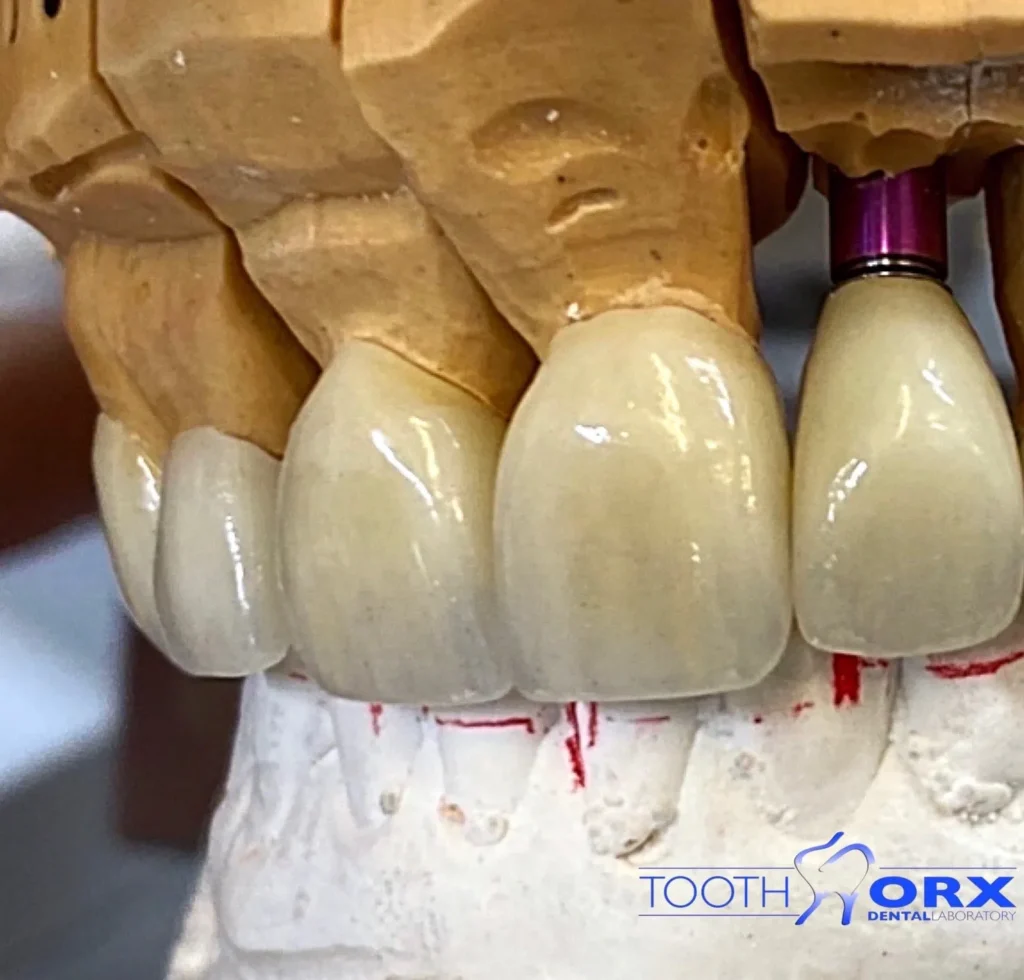
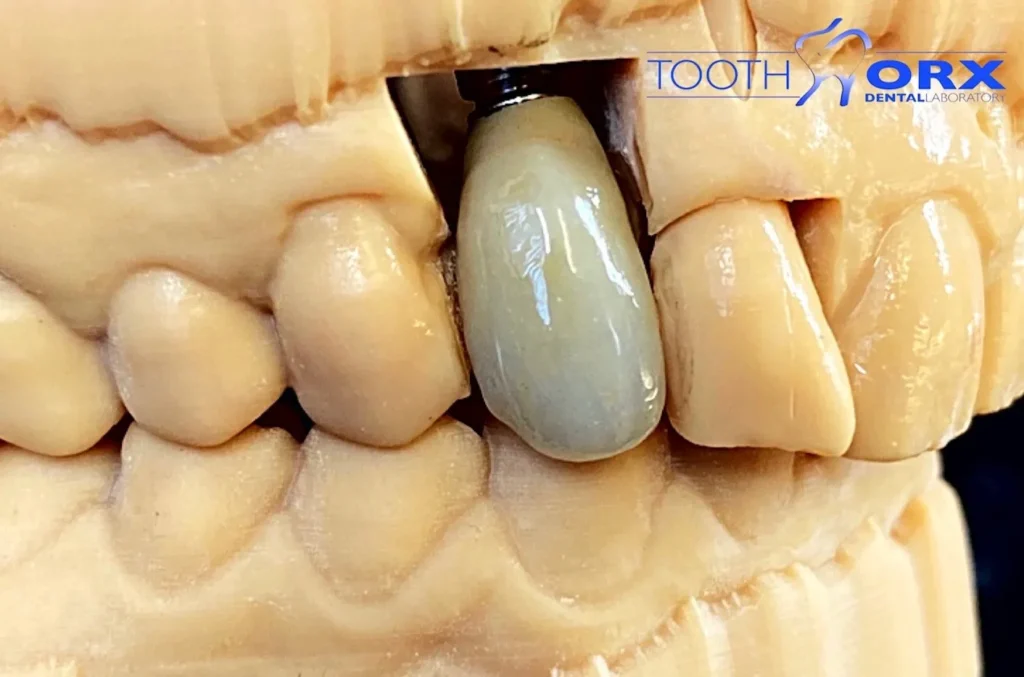
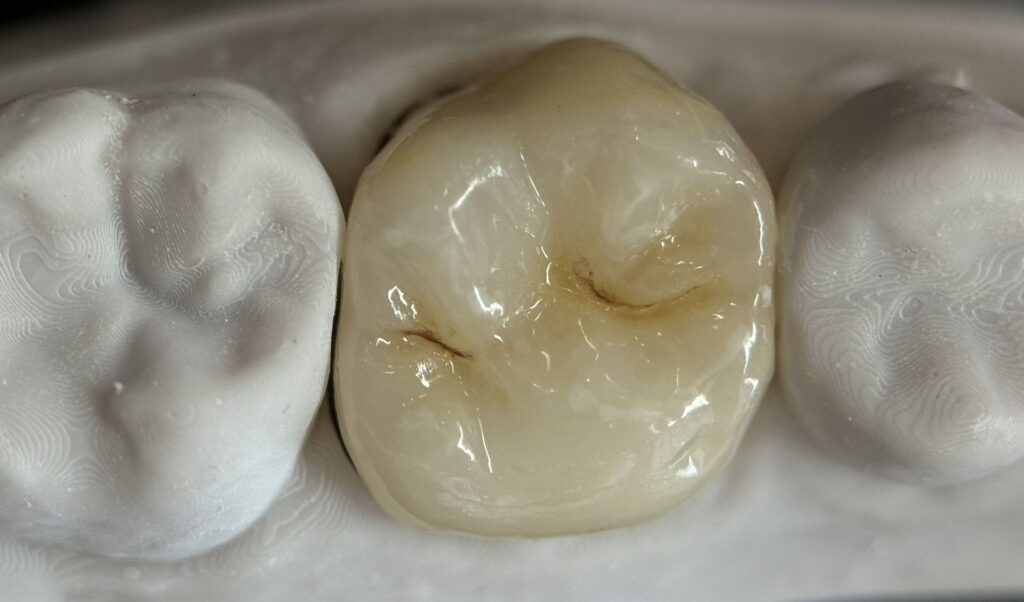
Toothworx offer excellent quality restorations including crowns and bridges, tailored to each patient’s needs. Our commitment to precision, aesthetics and long-term results ensures patients receive reliable, comfortable, and natural looking restorations for optimal oral health.

Restorations List

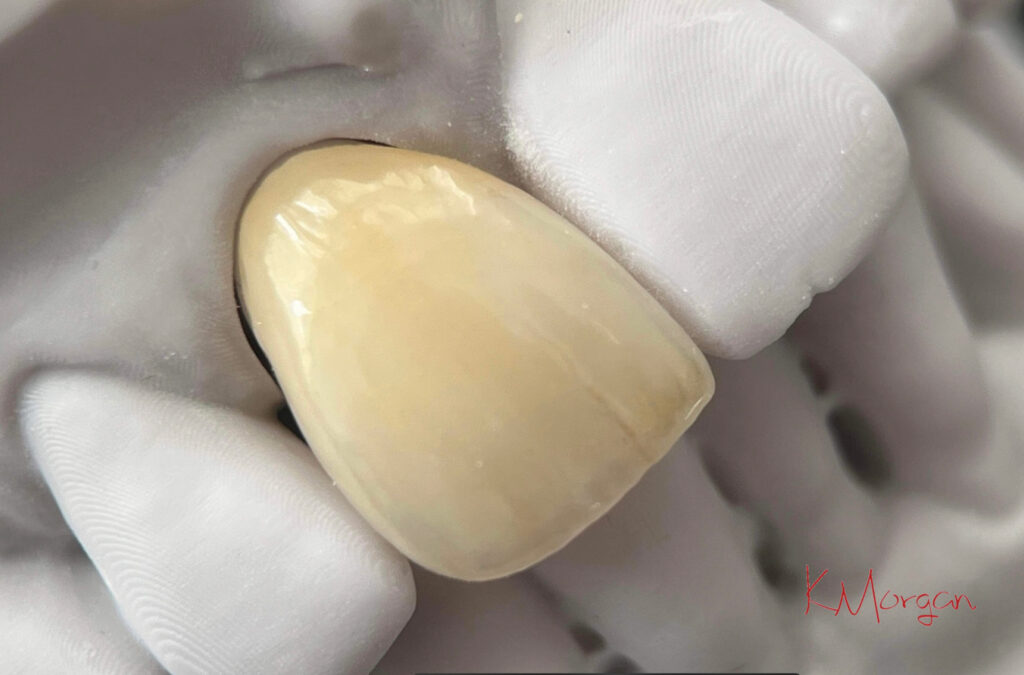
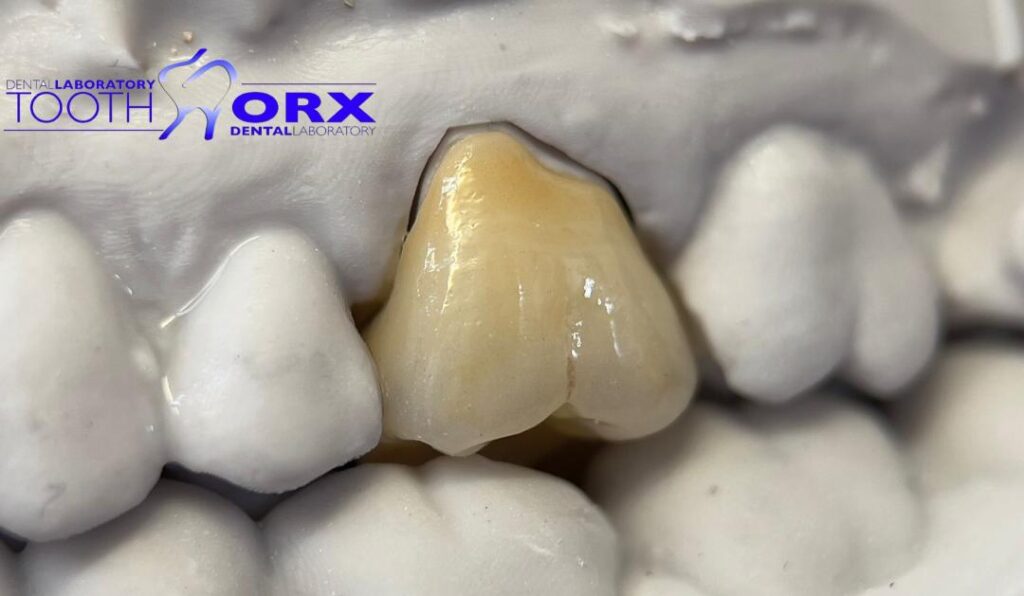
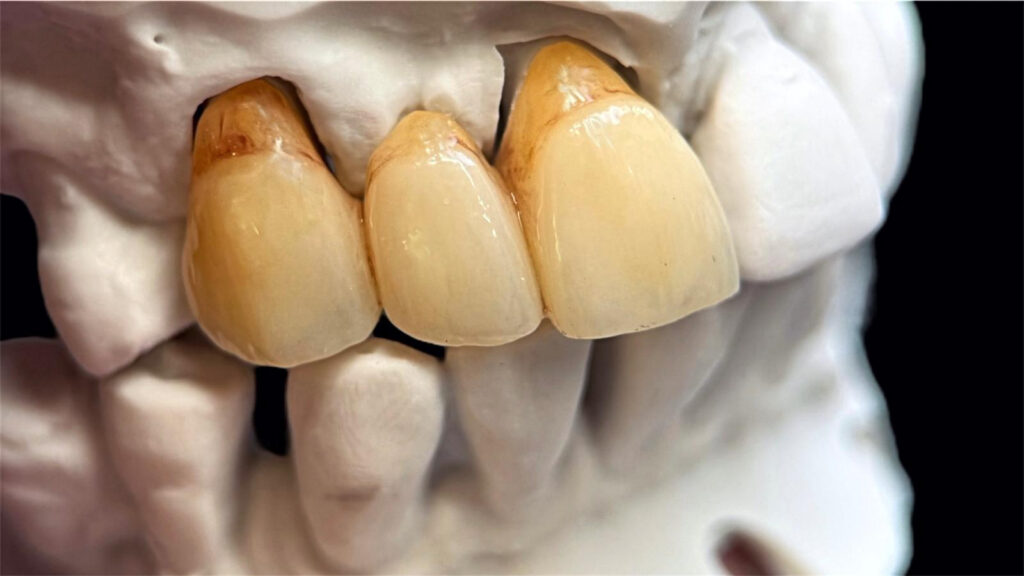
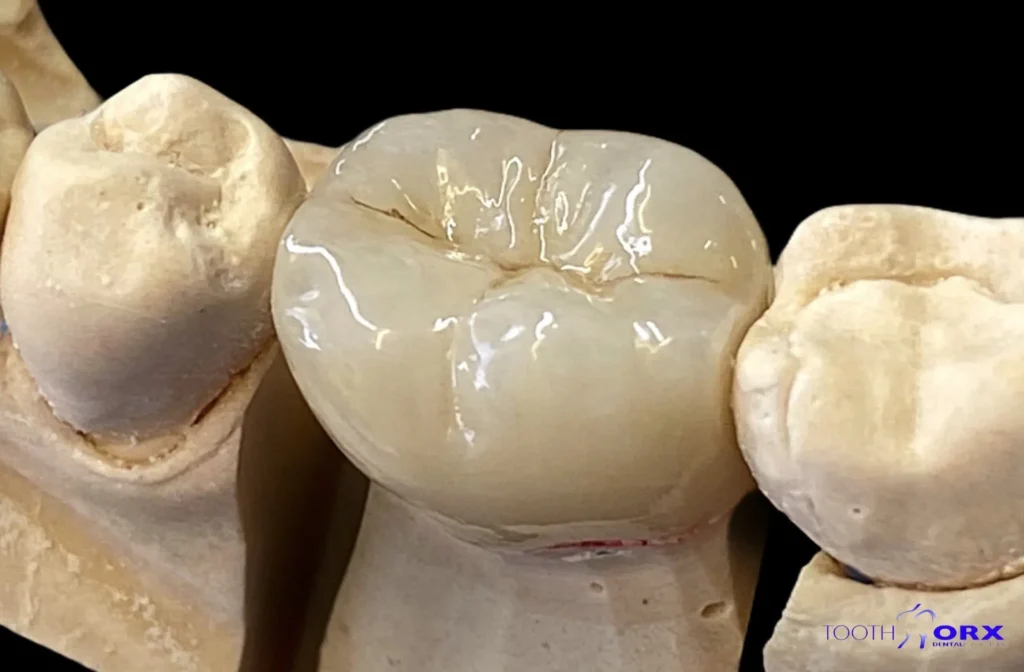
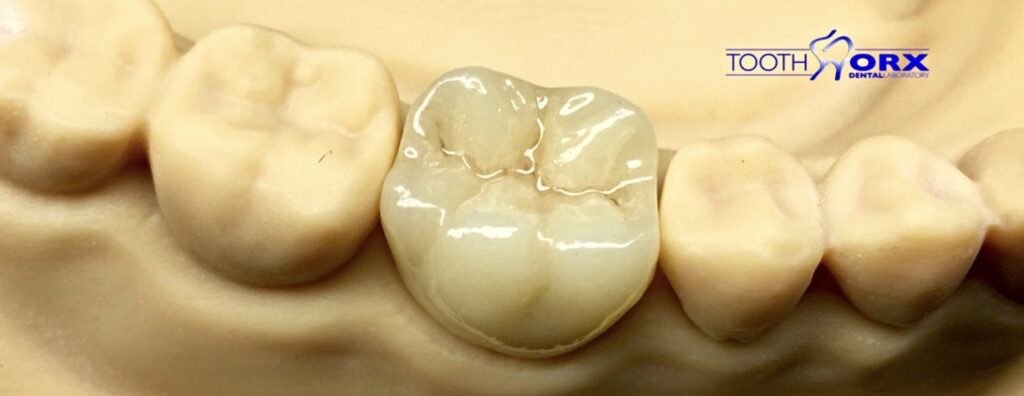
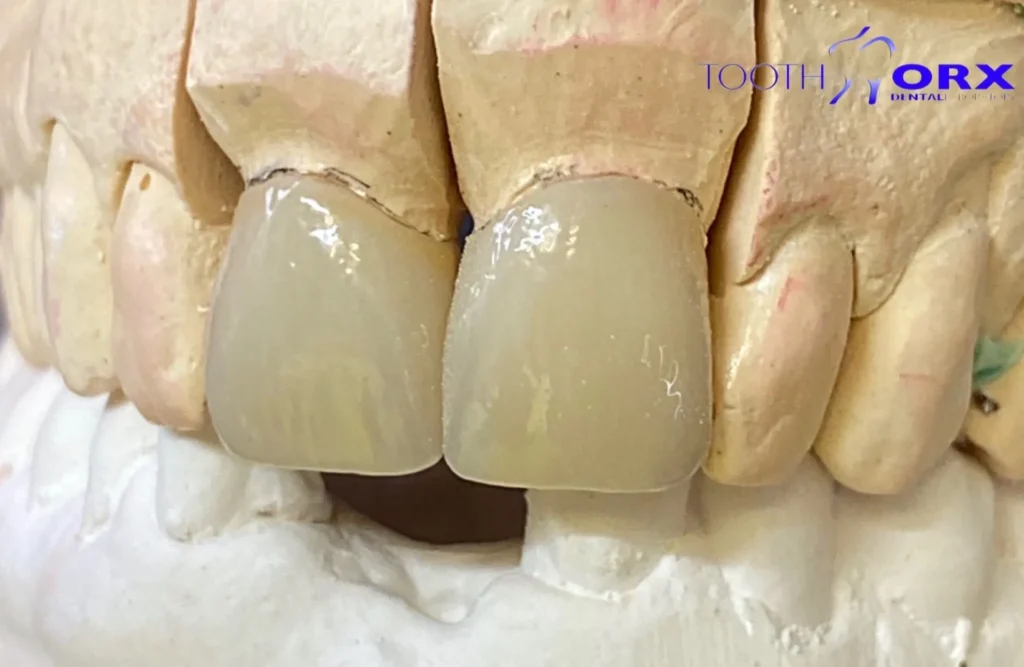
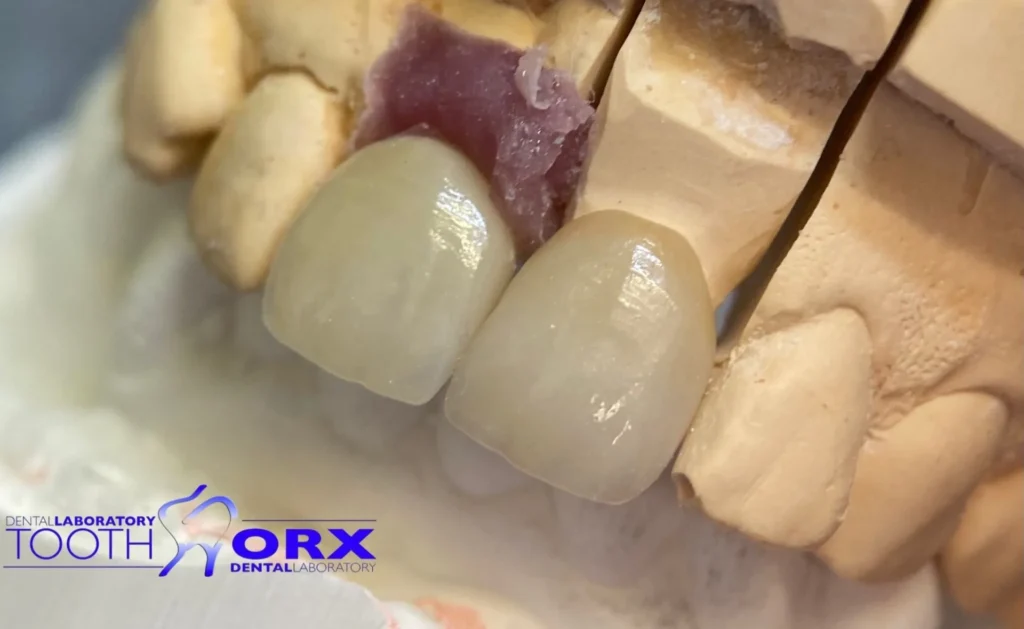
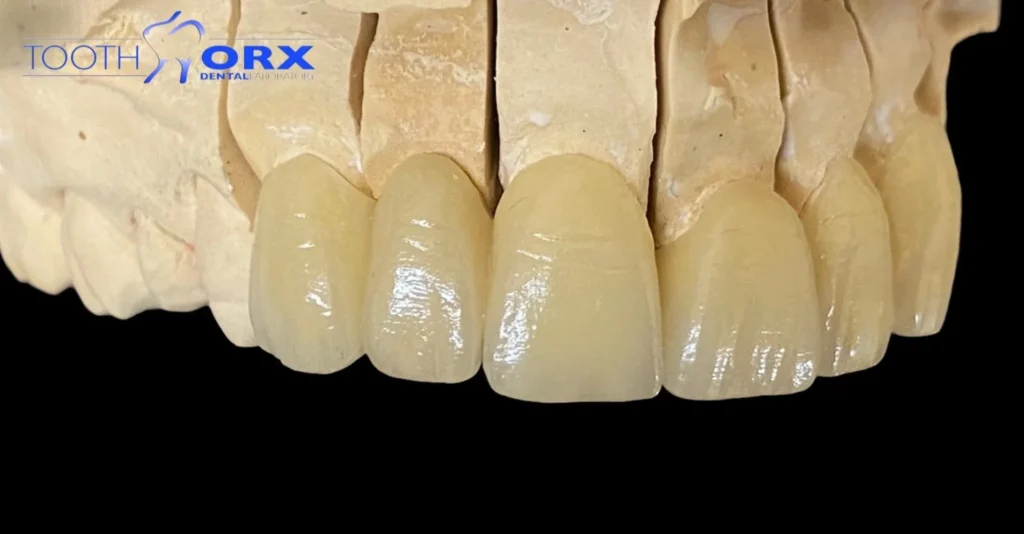
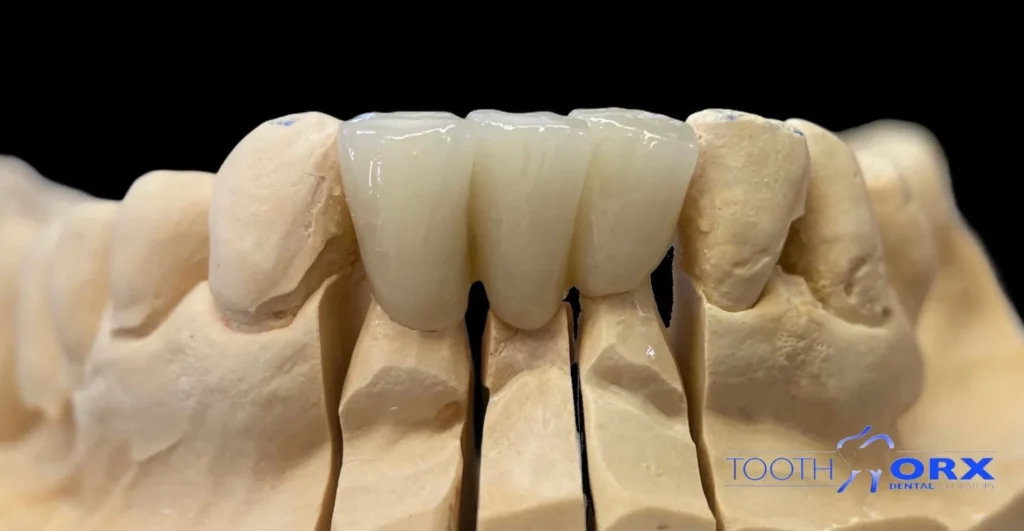
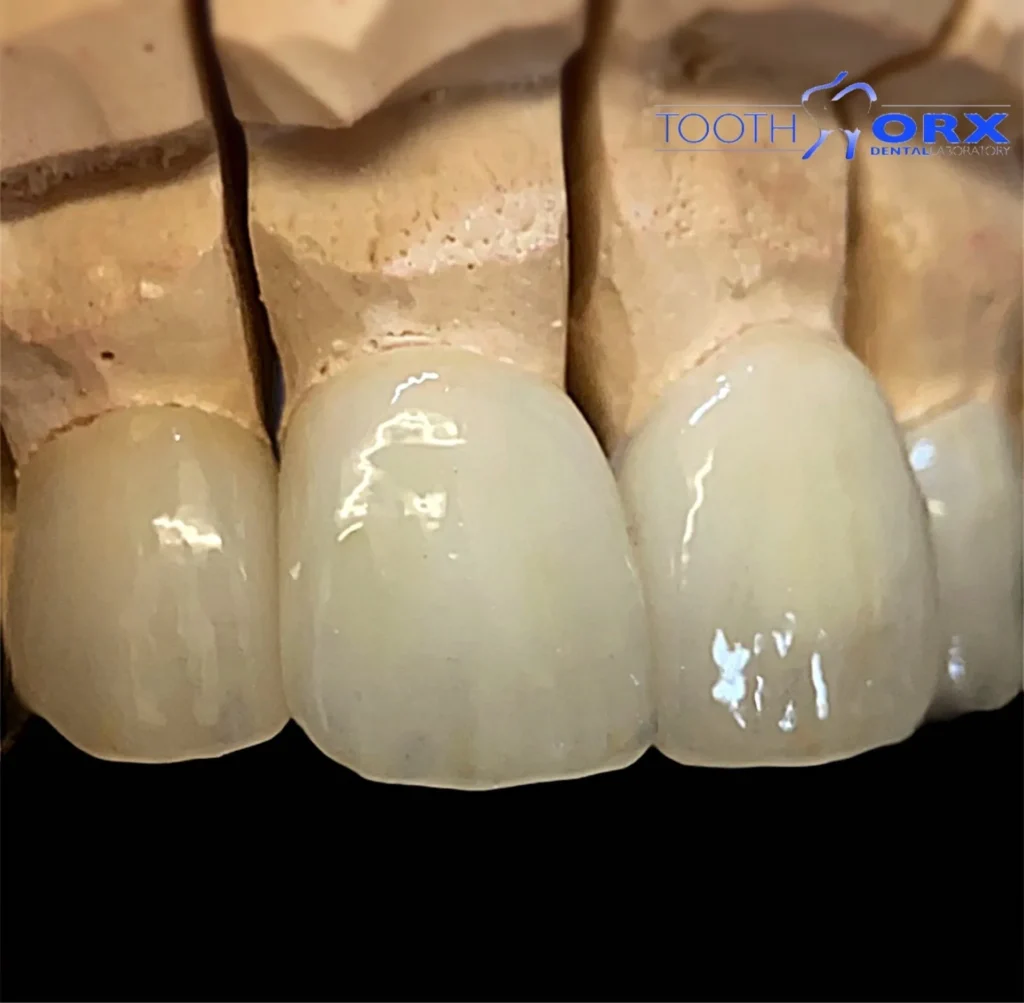
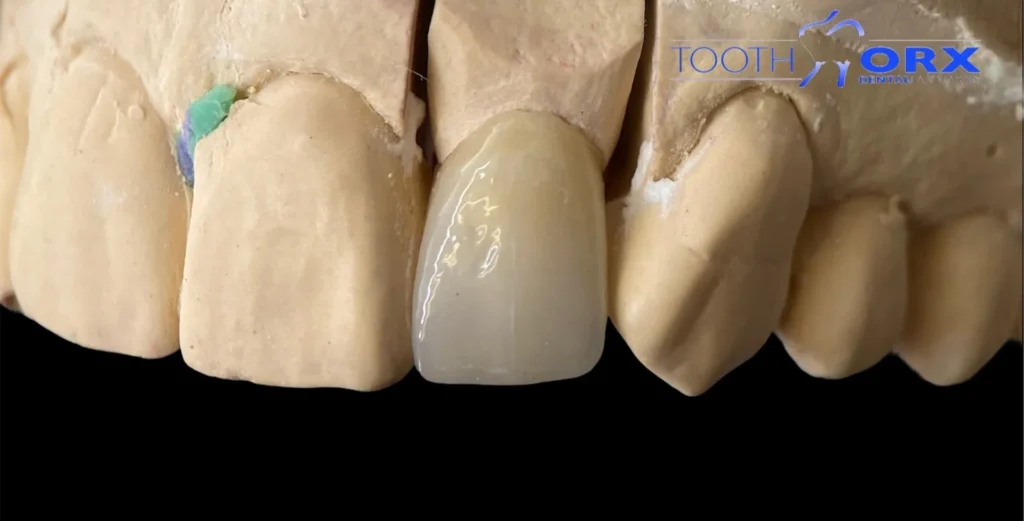
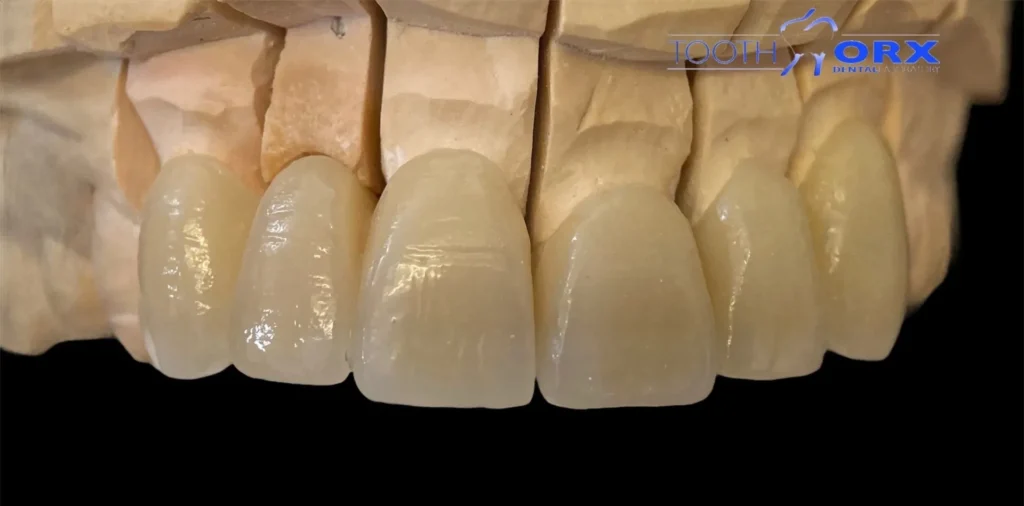
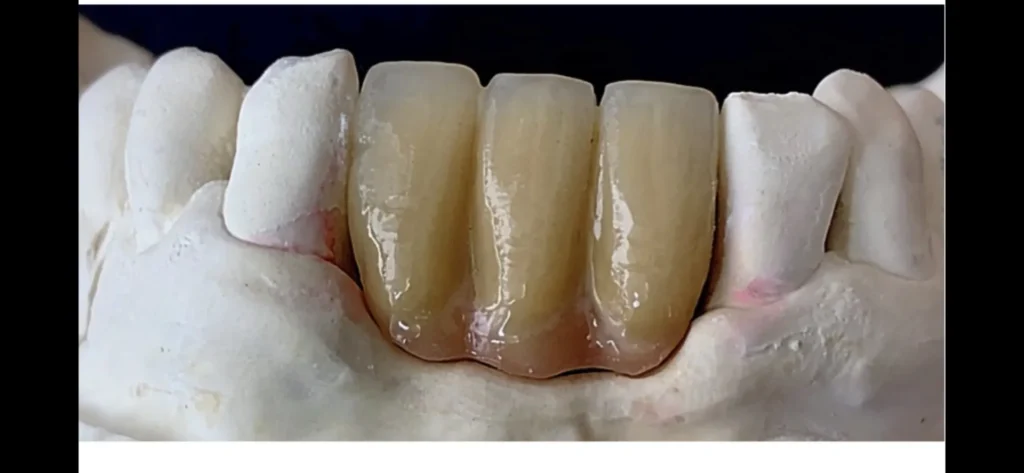
ZIRCONIA PORCELAIN BONDED CROWNS AND BRIDGES

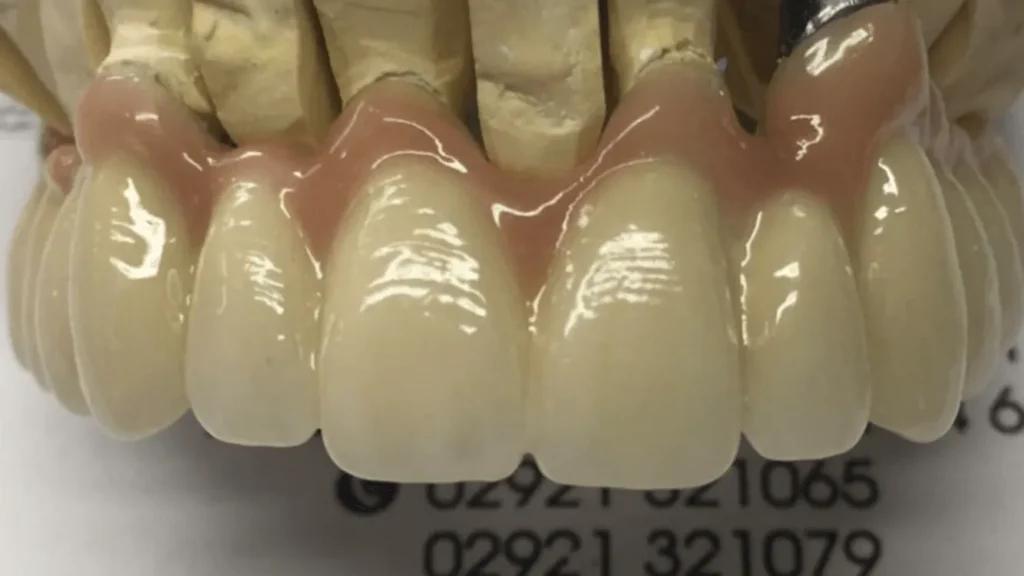
Here at Toothworx we design and mill all our zirconia frameworks onsite using specifically chosen Zirconia’s that we have tried and tested to fabricate high strength, highly translucent and dentine shaded frameworks designed to a reduced contour of the final restoration maximizing strength without compromise to final aesthetics that are then layered with a porcelain veneer to allow for optimum aesthetics of the final restoration. All our zirconia used is branded TOSOH quality only.
 
This type of crowns offers the clinician and patients with optimal restorations that exhibit high aesthetics, strength and biocompatibility. 
 
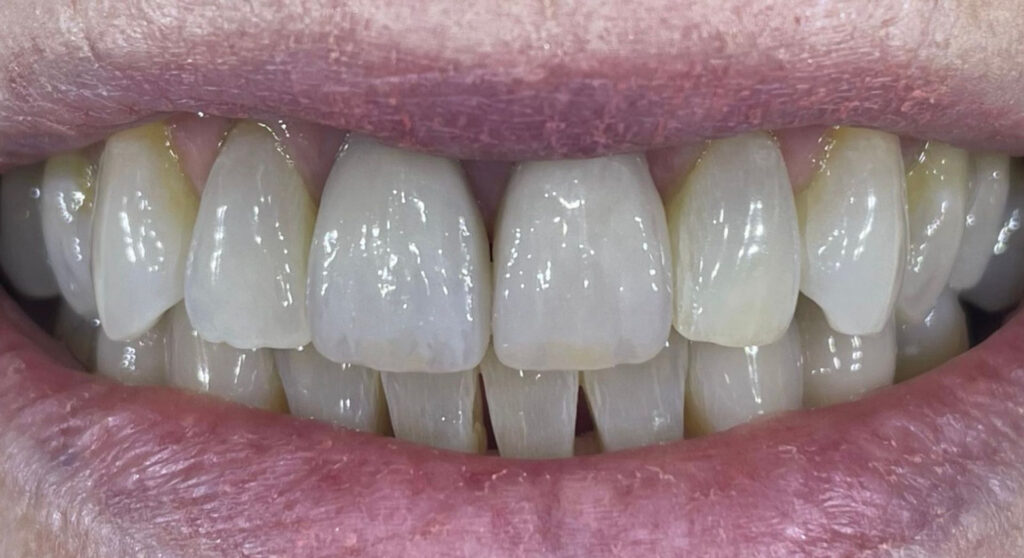
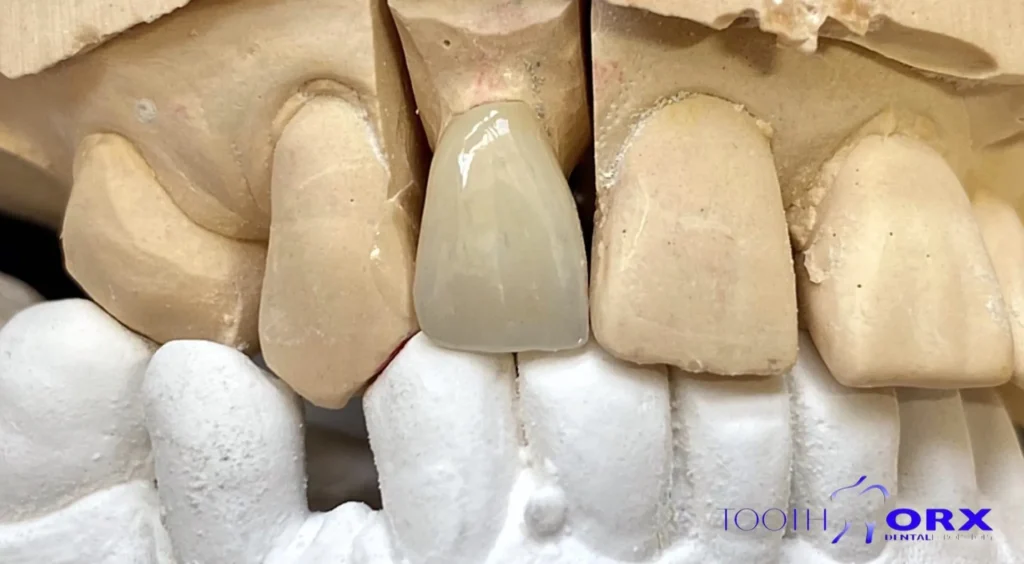
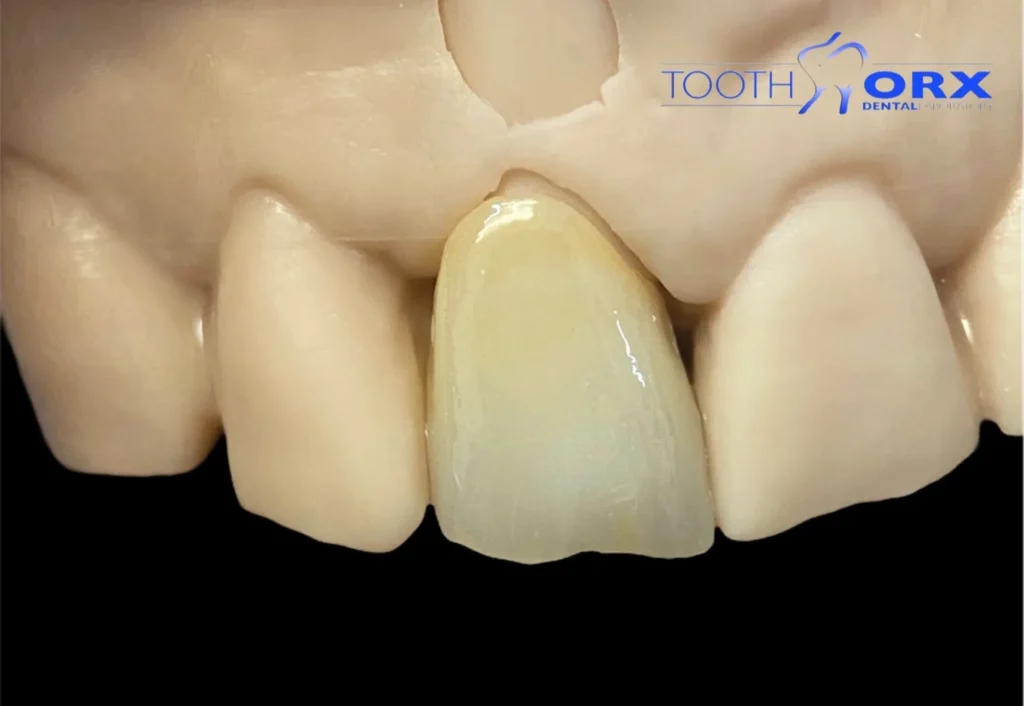
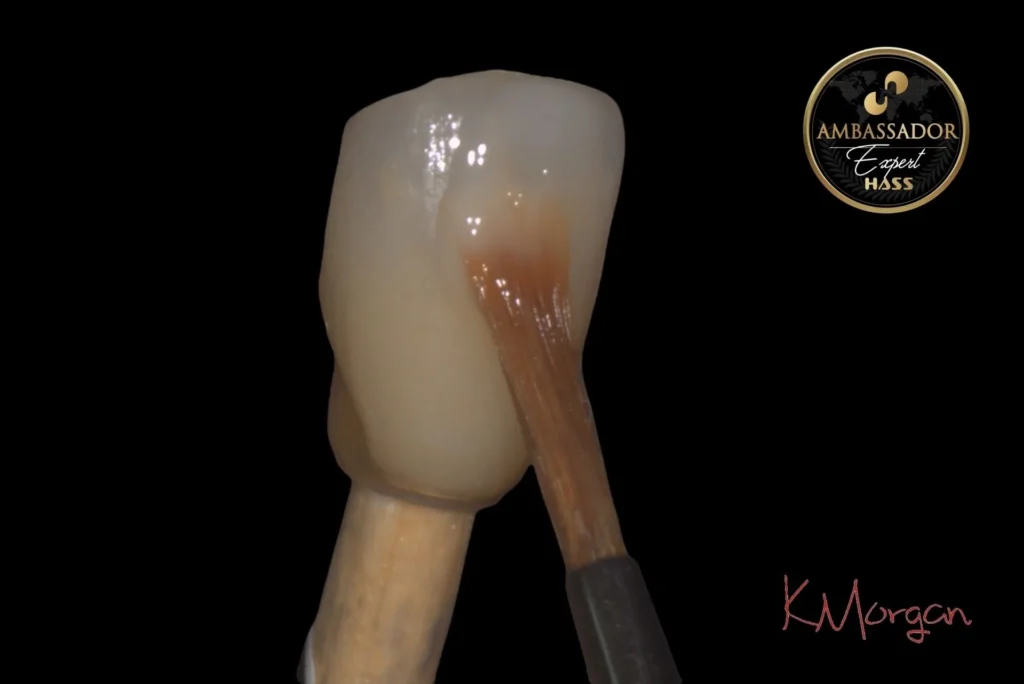
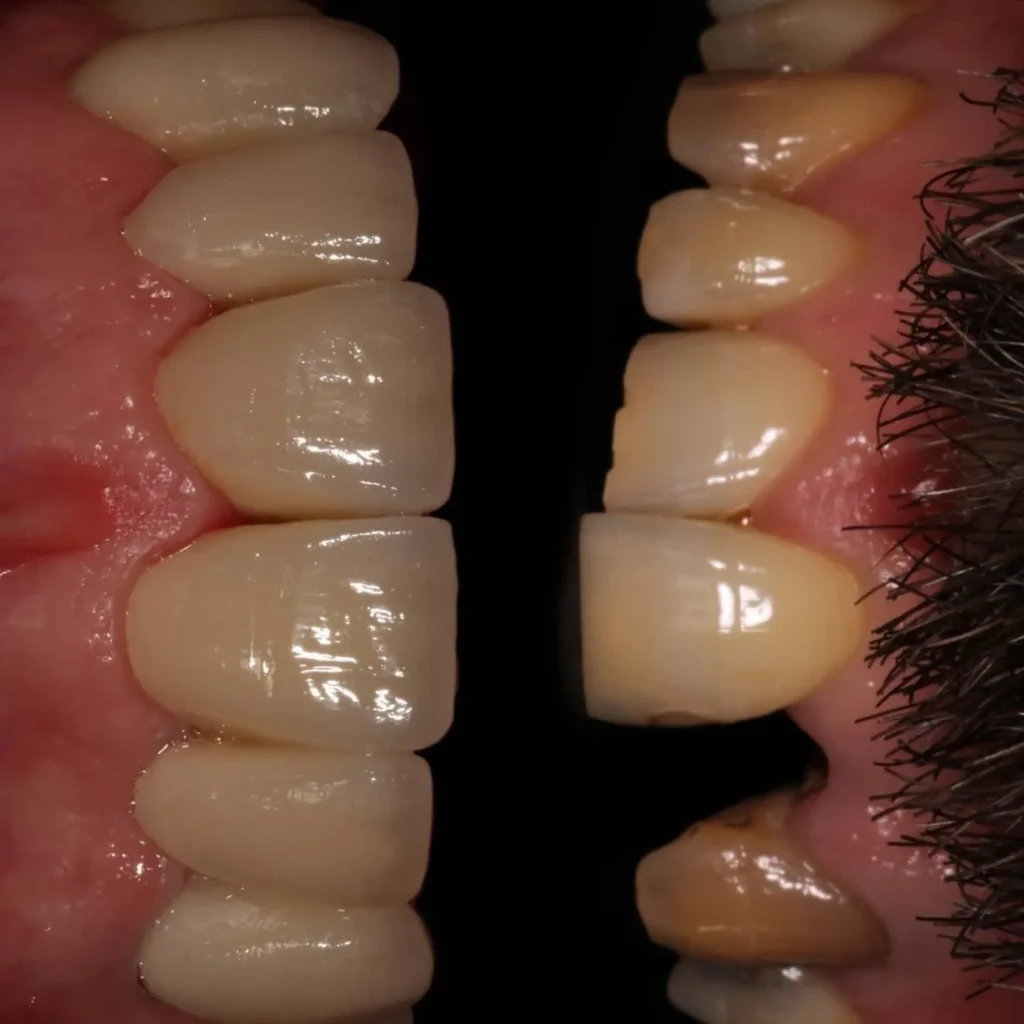
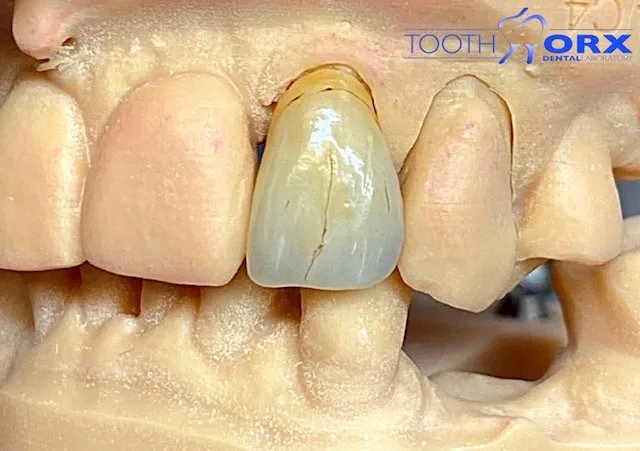
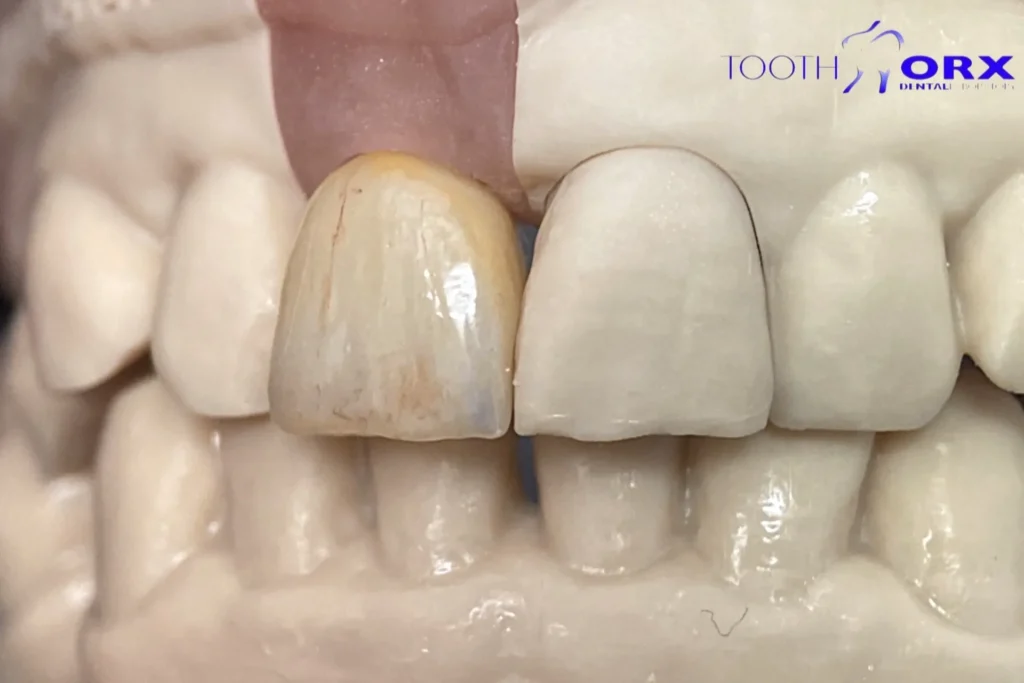
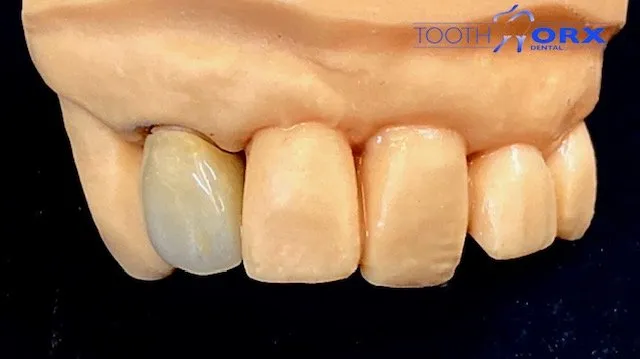
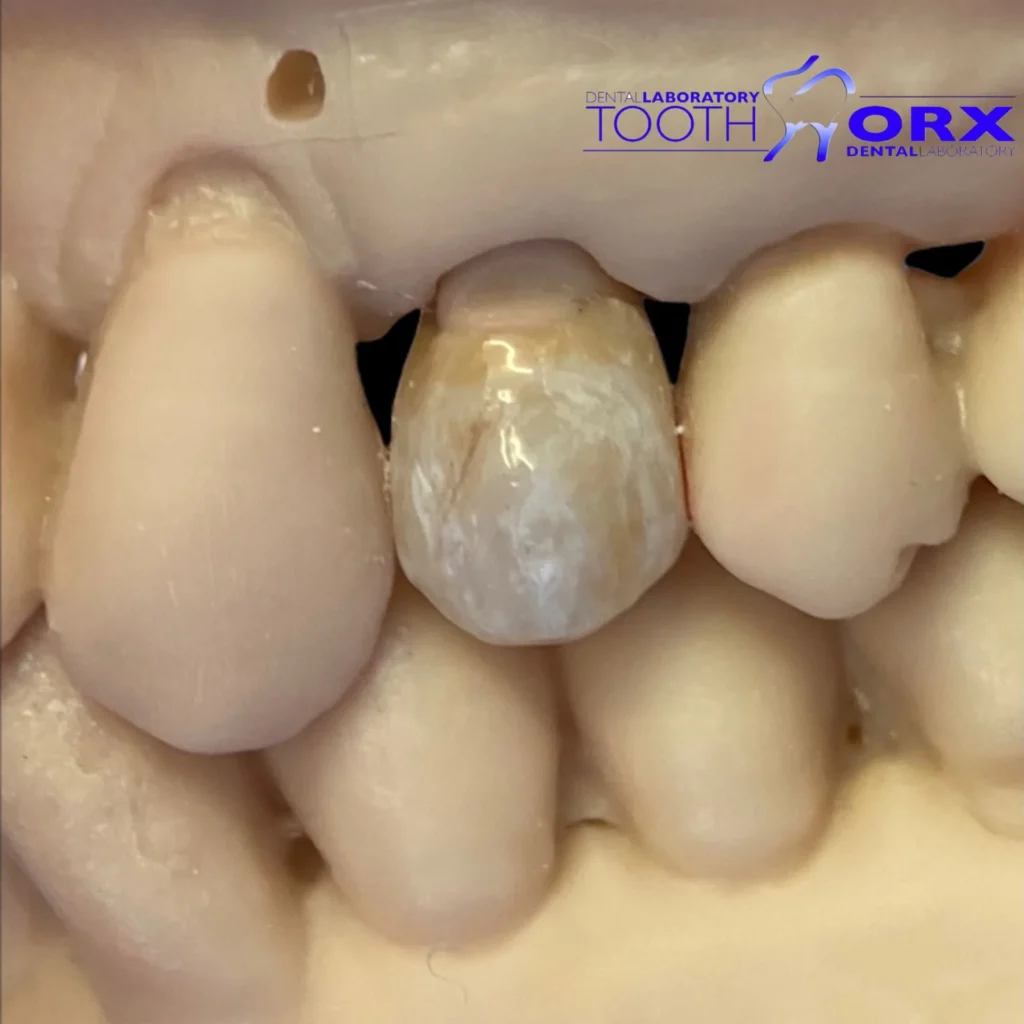
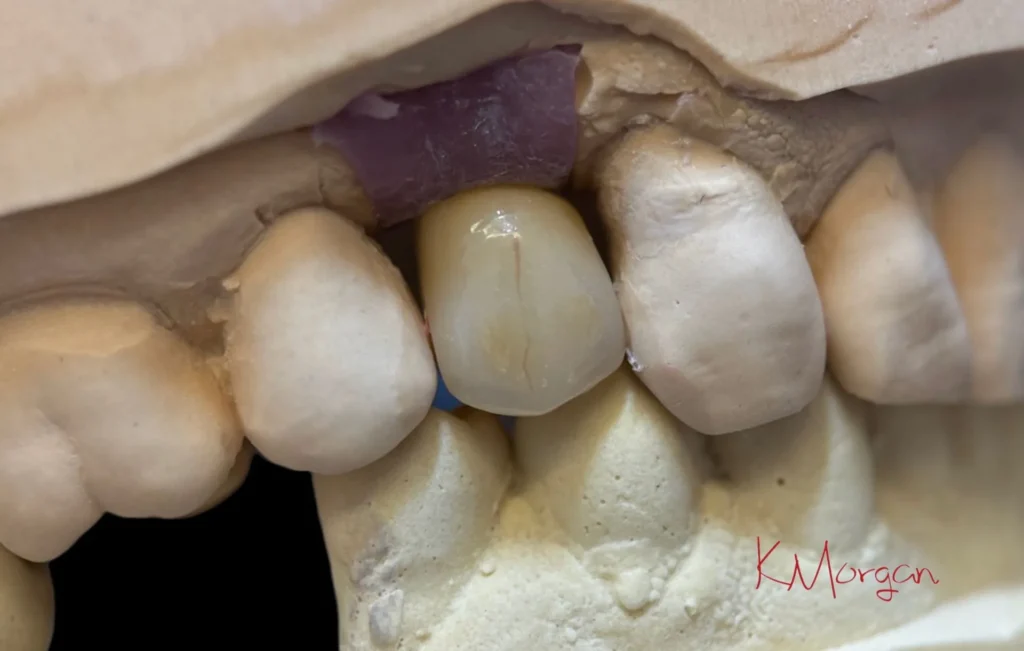
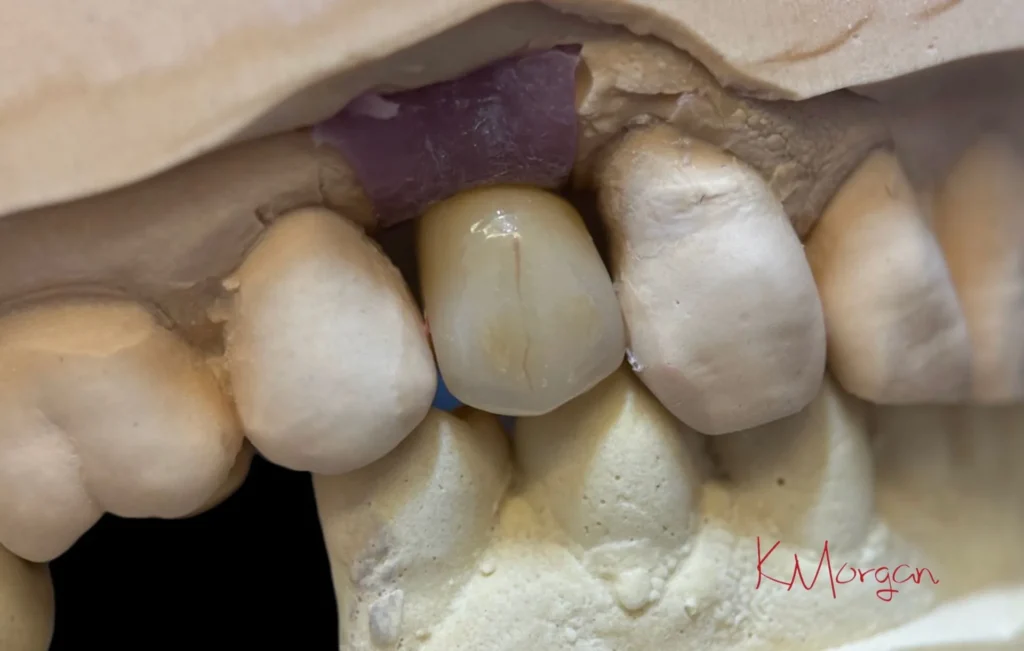
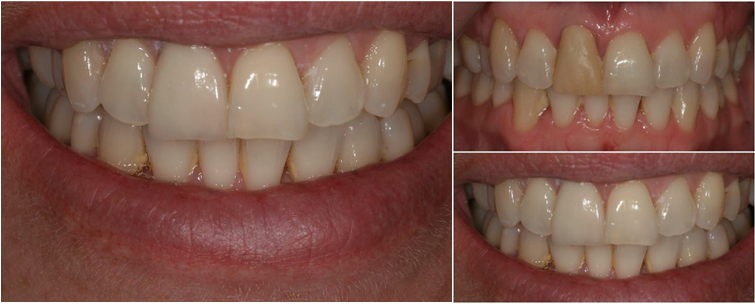
With our expertise and years of experience we can produce a crown or bridge that mimics the patient’s natural dentition including internal cracks, enamel effects and small subtle staining that allows a patient specific bespoke restoration to be created.

Advantages

  • Highly aesthetic restorations
  • Can be used for long span bridges up to 12 units
  • Can be a combination of full anatomical and porcelain layered restorations
  • Bespoke patient specific restorations can be easily made to match existing teeth
  • Can be used in areas of minimal occlusal space up to 0.5mm
  • Allows the natural tooth colour to optimize vitality in the restorations where required
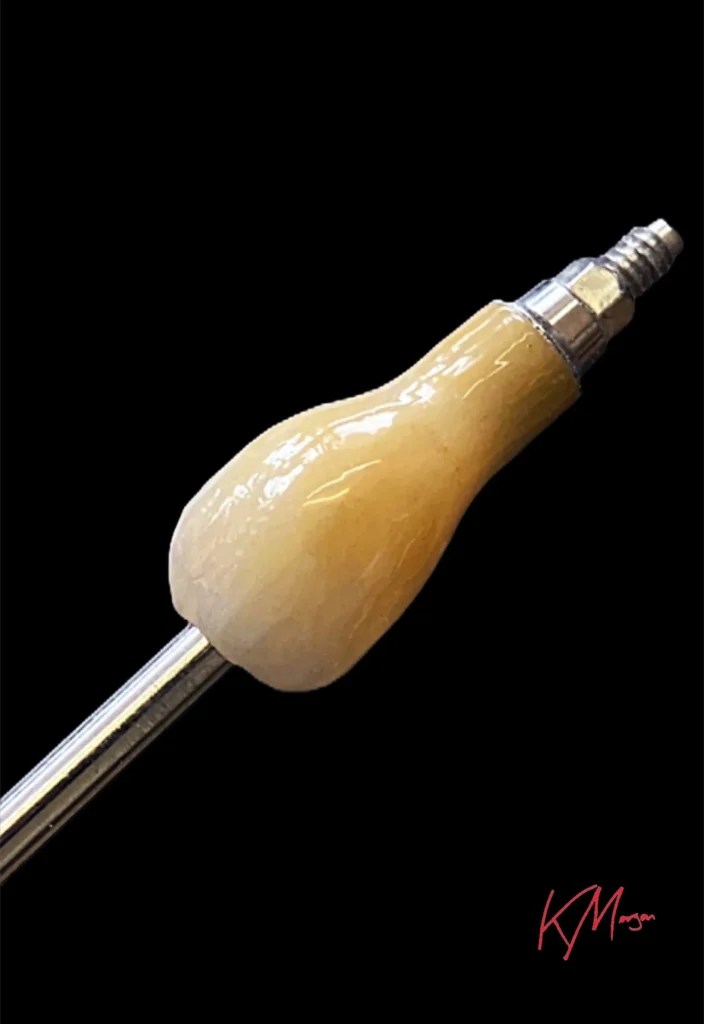
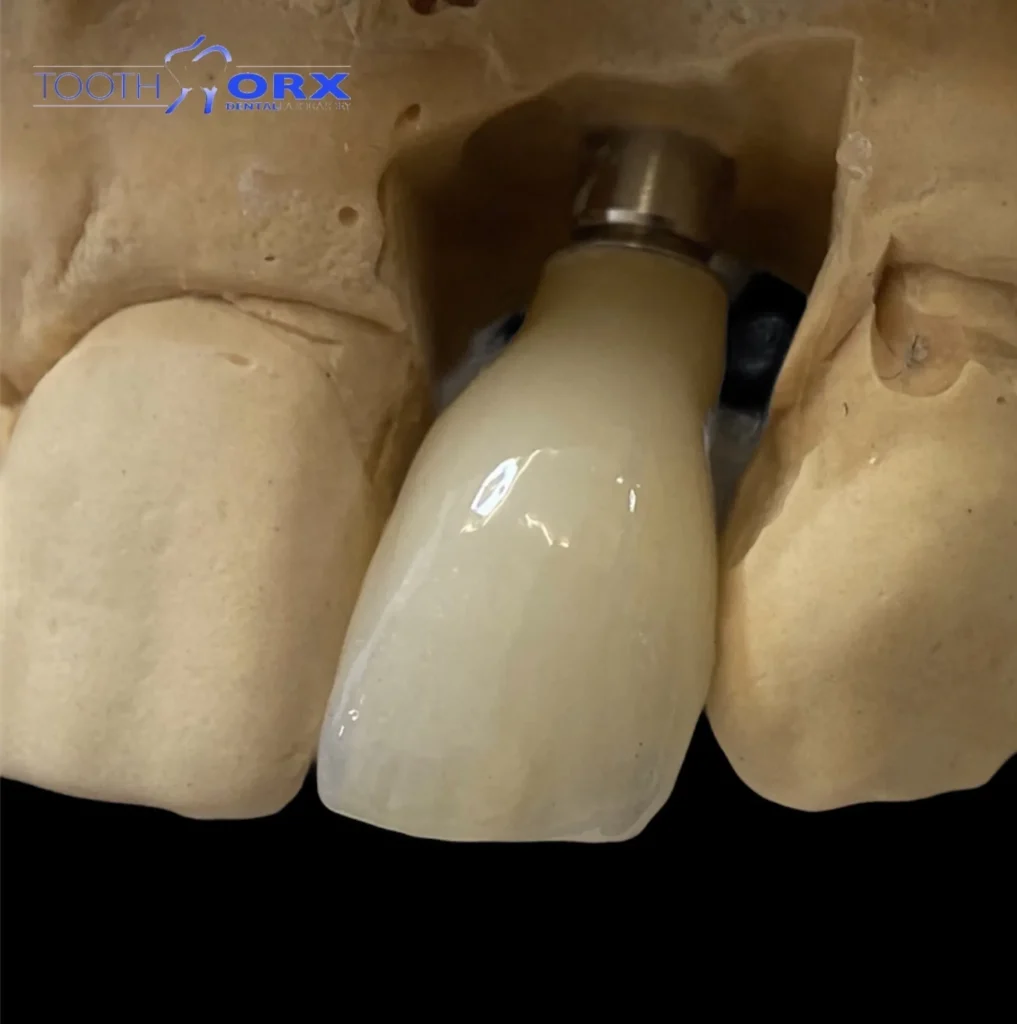
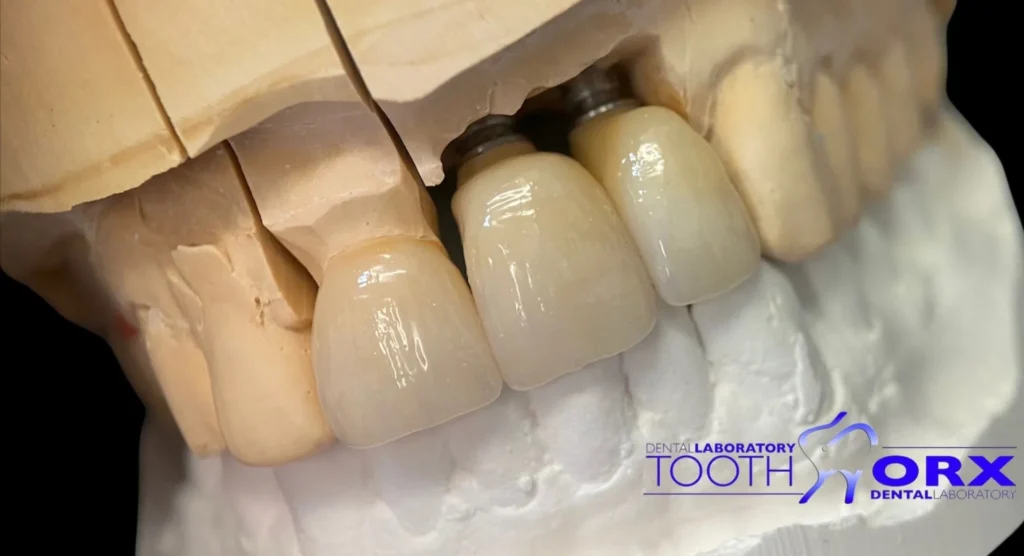
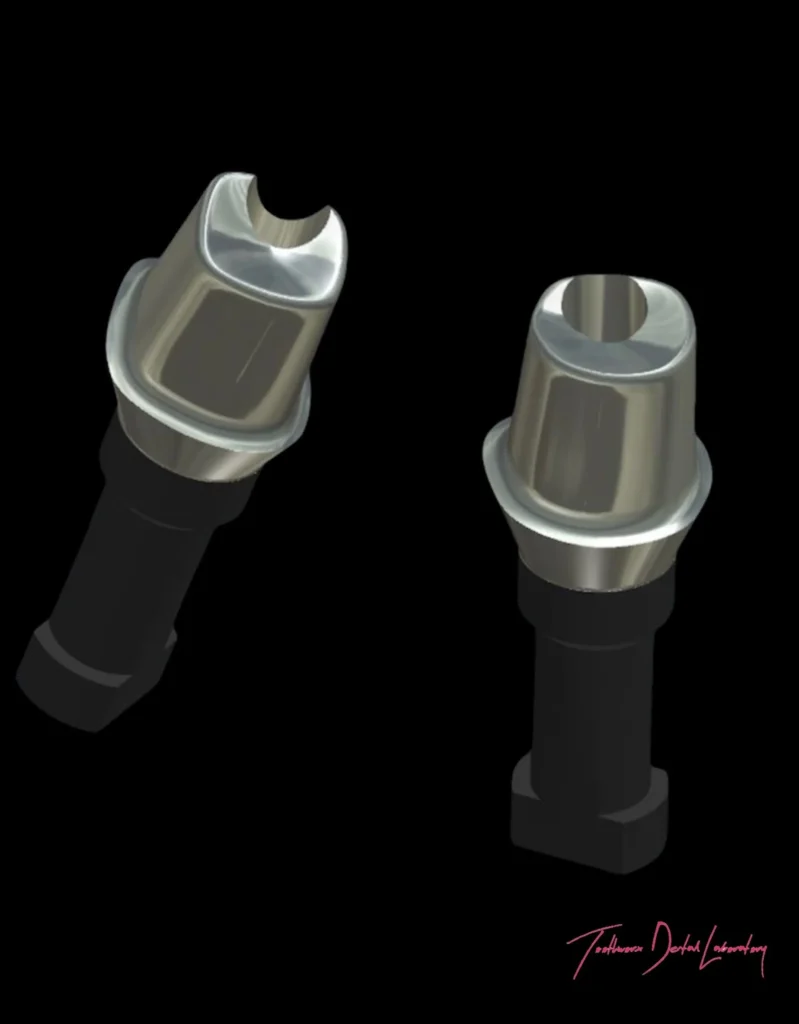
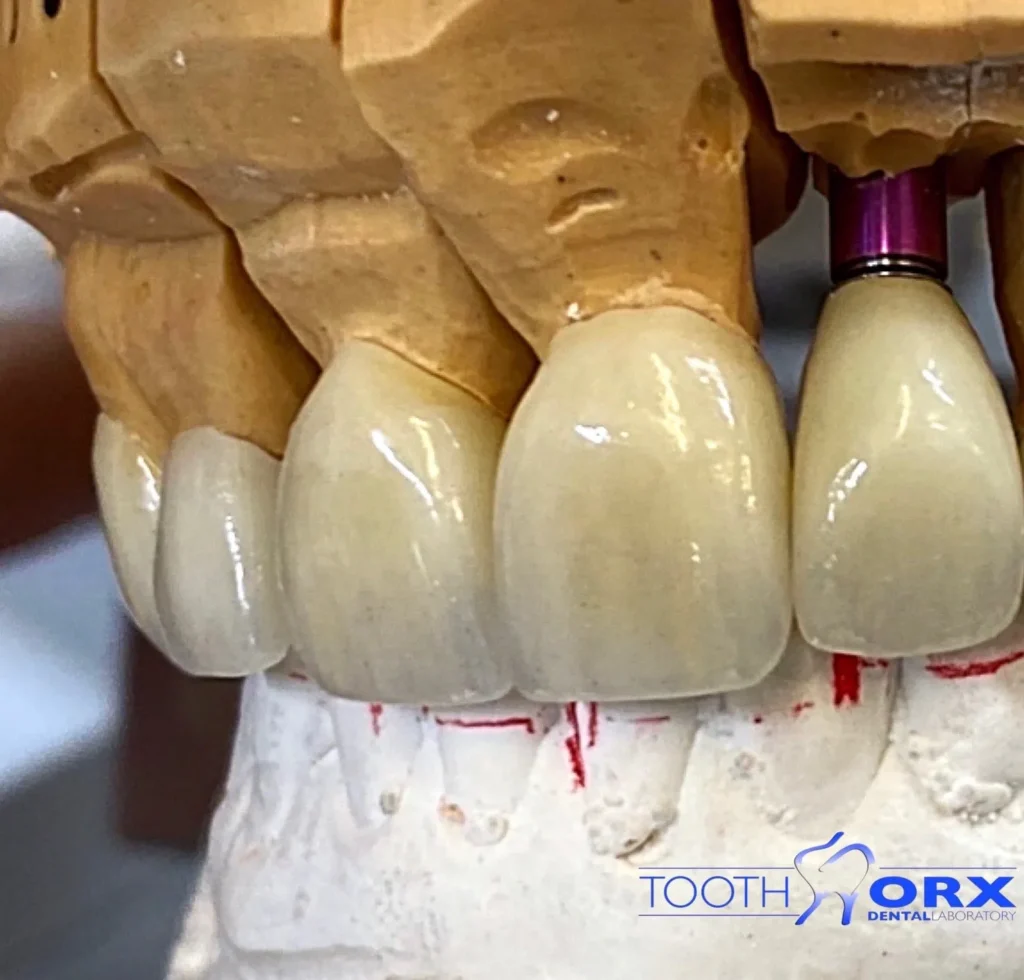
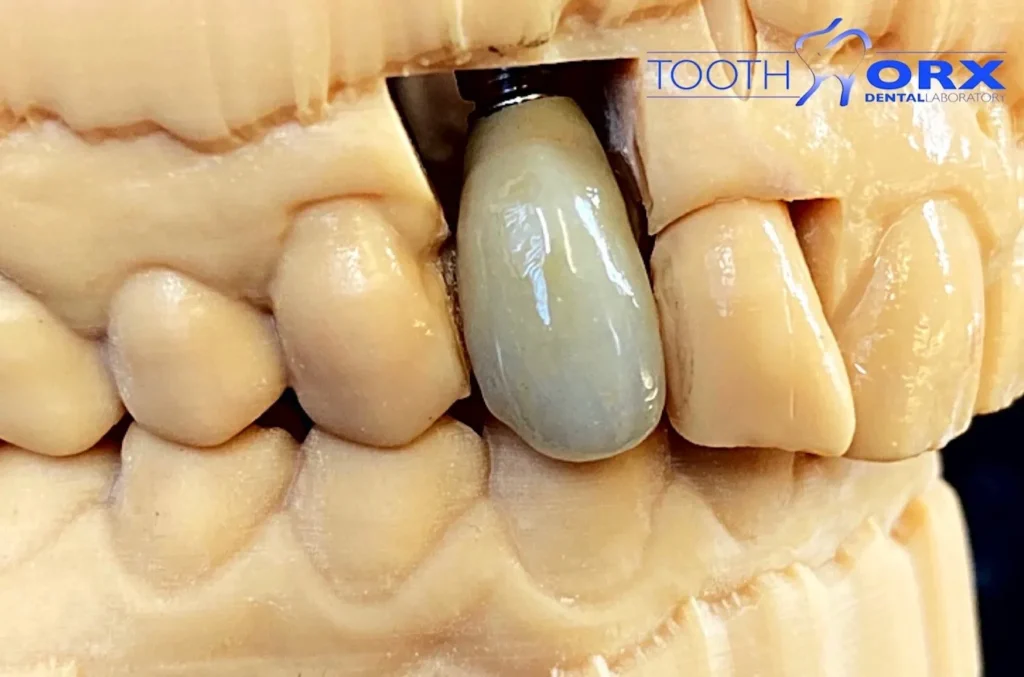
  • Can be used to manufacture implant screw retained crowns & bridges

BESPOKE SHADE TAKING SERVICE

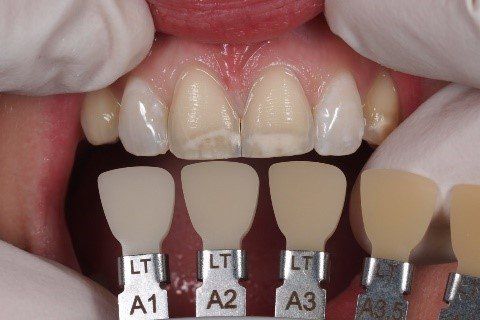
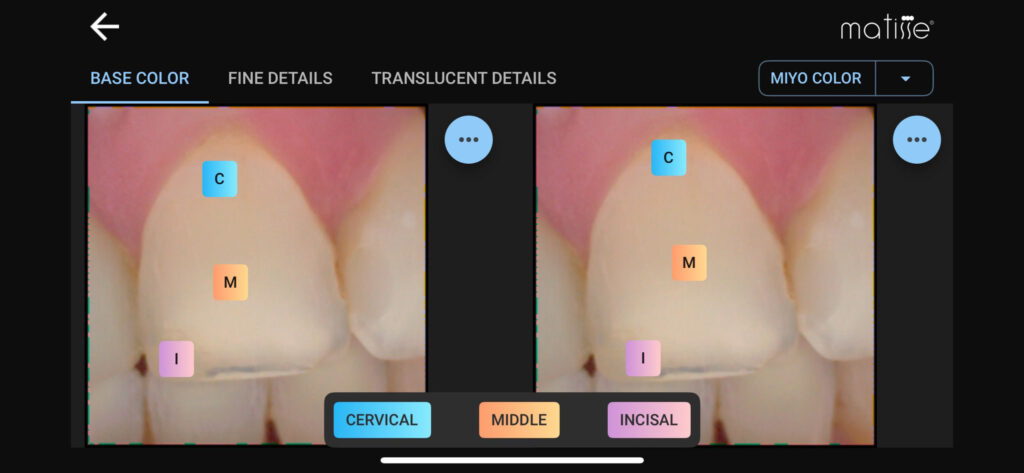
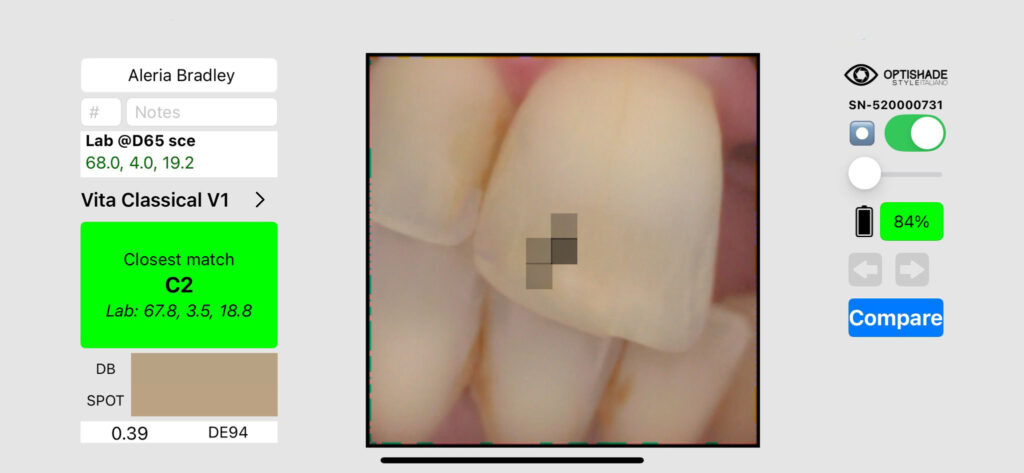
We use state of the art Matisse software to accurately capture our client’s natural shade and tooth characteristics.

Our Bespoke shade taking service both Inlab and at surgery has become very popular with our clinicians and their patients alike, especially in the private high end cases under taken by the lab when matching the colour perfectly of Patients Natural dentition is vital in fabricating bespoke restorations.

We invite patients to visit the lab at a time that suits them. During the appointment, they meet directly with our skilled technicians. We also take high-quality photos of each case using a modern DSLR camera and show them to the patient on a screen, so they can check and approve the shade match and tooth details.

 
At Toothworx, we carefully balance our clients’ expectations with what is realistically achievable by combining expert advice with advanced technology. Our skilled technicians work closely with each patient to understand their desired outcome, while also providing professional guidance on what will look natural and function well. Using high-resolution photography and precise shade mapping, we ensure the final restoration meets both aesthetic goals and clinical feasibility.
 
We offer this service via appointments for private cases at the laboratory but also offer a surgery visit service where the similar in lab service is carried out.
 
We also offer digital smile designs using the latest CAD software, where examples of what we can achieve in complete smile makeovers can be demonstrated. From these, study models can be 3D printed in lab and also smile trials can be fabricated so the patient can see in their mouth what the final restorations would look like before they are completed in ceramic.

GLASS CERAMIC LiSi/EMAX CROWNS AND BRIDGES

Toothworx offer glass ceramic LiSi/Emax restorations which are highly aesthetic and functional.

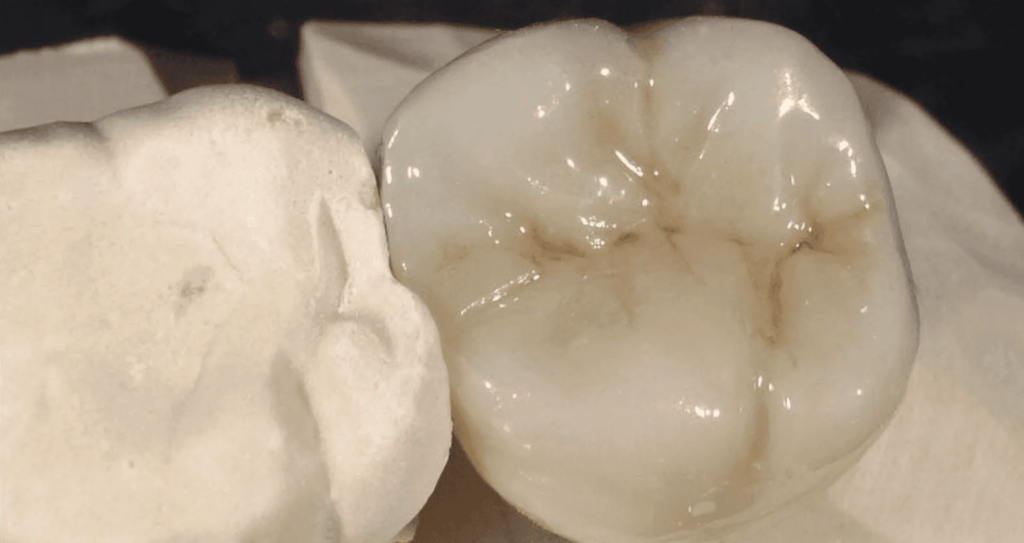
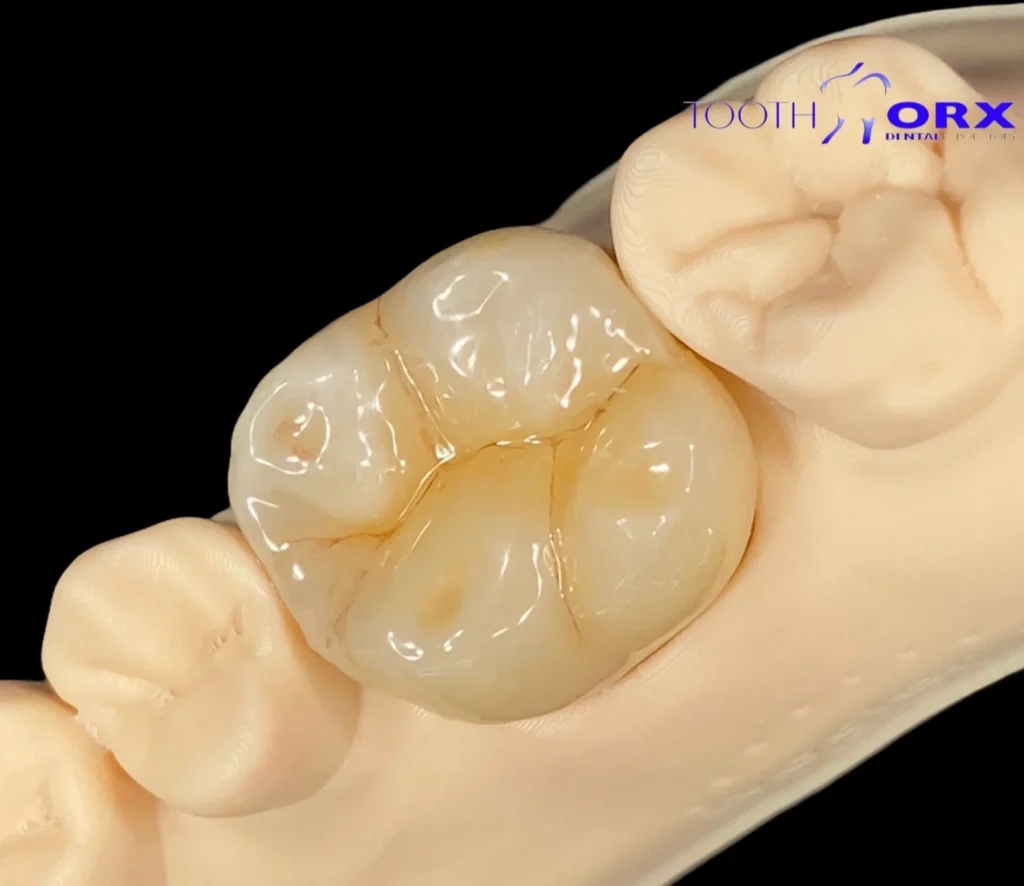
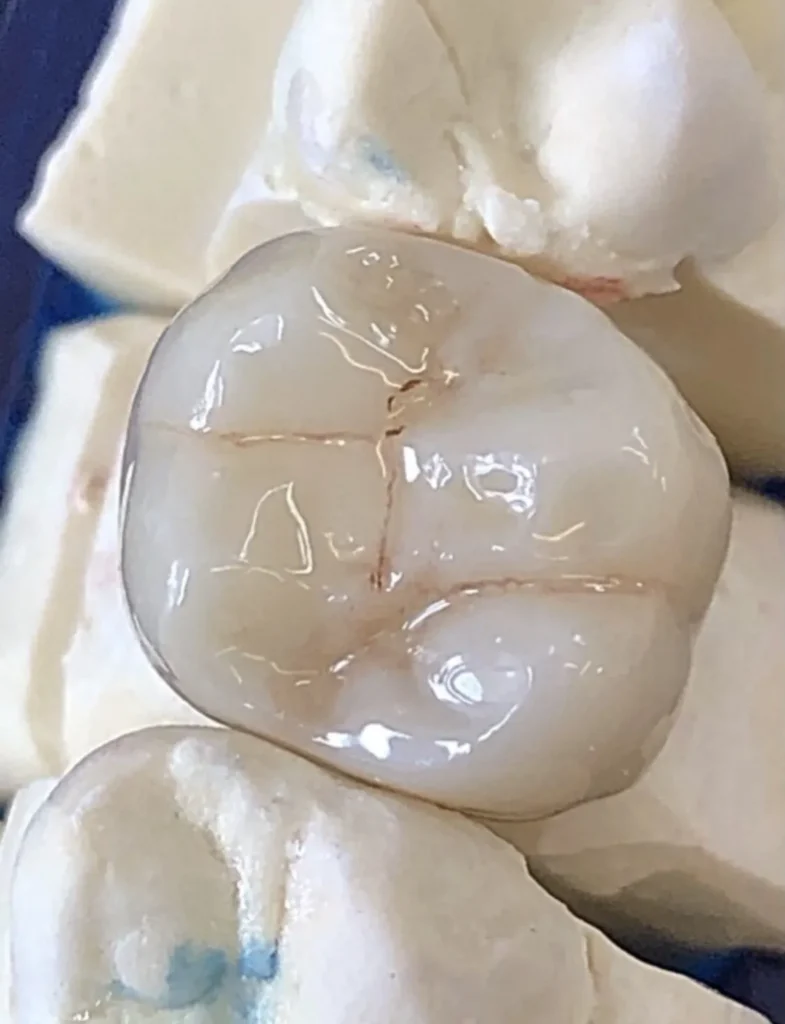
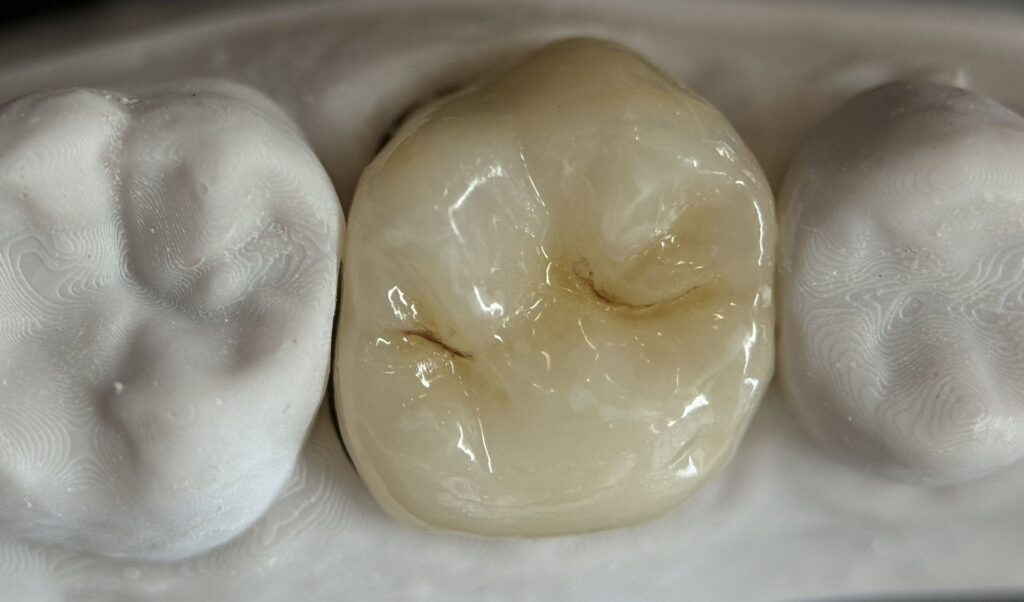
1. Monolithic full contour pressed restoration that allow optimal aesthetics by means of subtle surface staining to mimic that of a natural tooth. This is suitable for posterior restorations.

2. Emax porcelain, layered restoration is a reduced contour crown that is thinly layered with porcelain to optimise the already present aesthetics of the material and to include subtle internal and surface effects to mimic that of the patient’s natural tooth. 
 
Emax is the perfect replacement for the conventional metal based restorations used in the past and Emax restorations are able produce beautiful cosmetic results.
 

Indications

  • Table tops (Occlusal veneers)
  • Thin Veneers
  • Veneers
  • Inlays
  • Onlays
  • Partial crowns
  • Crowns in the anterior and posterior region
  • 3-unit bridges in the anterior region
  • 3-unit bridges in the premolar region up to the second premolar
  • As the terminal abutment
  • Pressing over electroplated single-crown frameworks
  • Implant superstructures for single-tooth restorations (anterior and posterior regions)
  • Implant superstructures for 3-unit bridges up to the second premolar
  • As the terminal abutment
  • Primary telescope crowns

Advantages

  • Highly aesthetic restorations.
  • Lithium disilicate achieves a very high translucency, and the material is available in four translucencies
  • For anatomical single crowns, monolithic IPS e.max® lithium disilicate is more durable than other veneered all-ceramic systems.
  • Conventional cementation can be used for Emax Restorations due to its high strength.
  • Due to its strength and multiple translucencies, IPS e.max lithium disilicate can be used for a wide range of indications.
  • Can be used in areas of minimal Occlusal space up to 0.5mm
  • Can be used in bridge case of up to 3 units
  • Can be used for minimal preparation veneers
  • Allows the natural tooth colour to optimize vitality in the restorations where required.
  • Can be used to manufacture pressed implant abutments.

ALL CERAMIC PRESSED CROWNS AND BRIDGES

Toothworx also offer own Highly Aesthetic Pressed Crown and Bridge Solution using the latest Nano technology ceramic to produce a highly aesthetic robust and functional crown. 

 
These are can be also pressed to a zirconia framework to allow added strength where required. The restorations are micro layered with a new fine particle porcelain to obtain a bespoke natural looking finished restoration.


The material has been tried and tested by ourselves over a long period of time and has proven to be widely excepted by our clients and patients as a highly aesthetic solution with exceptional strength and function.

ZIRCONIA MONOLITHIC CROWNS AND BRIDGES

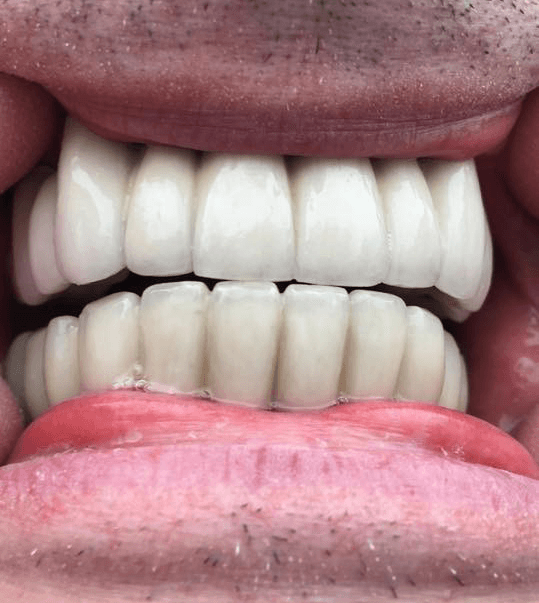
At Toothworx Dental Laboratory, our Zirconia restorations are designed using a 3Shape scanner and milled in-house with our Roland and VHF CAM 5-S2 machine, giving us full control over quality and precision. We use only high-quality pre-shaded Zirconia, ideal for everything from single crowns to 12-unit bridges and full-contour implant restorations.

Monolithic Zirconia offers a strong, aesthetic alternative to traditional PFMs, meeting both clinical and patient demands. Our use of pre-shaded discs ensures consistent, natural-looking shades without the need for liquid colouring. For more customised cases, we apply surface staining or micro-layer translucent porcelain to match natural teeth closely.

With advanced staining techniques and the latest multi-layered leading brand materials, we can create highly aesthetic restorations with strength ranging from 600 to 1200 MPa, suitable for a wide range of clinical needs.

Indications

  • – Highly Aesthetic Monolithic Crowns in the anterior and posterior region
  • – ¾ Crowns where aesthetic veneering is required
  • – Telescopic crowns
  • – Aesthetic Monolithic bridges in the anterior and posterior regions of the patient’s mouth.
  • – Up To 14 unit bridges
  • – Bridges requiring the use of cad designed attachments
  • – Zirconia Maryland bridges
  • – Aesthetic Post And Cores
  • – Table tops (Occlusal veneers)
  • – Aesthetic Veneers
  • – Thin Monolithic Veneers
  • – Inlays
  • – Onlays
  • – Implant superstructures for single-tooth restorations (anterior and
  • Posterior regions)
  • – Implant superstructures for up to 12-unit bridges
  • – Bruxism where other types of restorations could be easily damaged.
  •  

Advantages

  • Highly aesthetic restorations In all aspects of the mouth.
  • Superior strength over conventional restorations
  • Extremely strong and resistant to chipping
  • Minimum occlusal clearance of 0.5mm required.
  • Highly polished Zirconia does not wear opposing dentition
  • Pre Shaded And Precise
  • Allows for restorations on feather edge preparations of 0.5mm minimum thickness
  • Biocompatible and highly translucent for amazing clinical results
  • Can be used in all indications of cosmetic and restorative dentistry
  • Does not all plaque to adhere to its surfaces aiding with oral hygiene
  • No black or dark junction line between the interface of the underlying preparation and restoration
  • Cad Designed to optimize accuracy
  • Patients prefer natural looking restorations over metal restorations
  • Conventional cementation techniques

SLM PBCs AND BRIDGES

At Toothworx, we’ve transitioned from traditional casting to using advanced SLM (Selective Laser Melting) technology to create alloy substructures for all our porcelain bonded restorations. These digitally designed, one-piece metal frameworks eliminate issues like shrinkage, warping, or solder joint failures, ensuring strong and precise fits.

We layer these frameworks using highly aesthetic porcelain, producing durable and natural-looking crowns and bridges. Restorations can be made in both precious and non-precious alloys, depending on your needs.

SLM frameworks are built layer by layer using a high-powered laser that fuses powdered metal (like CE-marked CoCr) into solid structures, offering consistent quality and accuracy. After printing, the frameworks are cleaned, polished, and ready for porcelain application.

Advantages

  • Fixed price per unit with our CoCr Frameworks (No Added Alloy Cost only with Precious alloy option)
  • The Non- Precious option are totally Free of nickel, cadmium and beryllium so no risk of allergies.
  • Precision optimal Fit due to cad design process.
  • CAD Designed for optimal porcelain support and bridge frameworks all in one piece so no chance of joint failure.
  • Excellent fit, less chair time, less adjustment
  • No change to traditional porcelain techniques and materials
  • All bridges are stress relieved for increased accuracy
  • Manufactured in accordance with ISO 13485

AESTHETIC COMPOSITE RESTORATIONS

GC GRADIA:

A restoration made from composite material has many beneficial properties such as strength and durability, but although composite also has good aesthetic qualities, it does not give the natural tooth appearance of a porcelain. That is, until now!

 
GC GRADIA is a unique light-cured Micro-Ceramic-Composite system for crowns, bridges, inlays and veneers, which compared to conventional composites gives restorations with a colour tone close to that of natural teeth. 
 
A product of GC research, GC GRADIA’s more natural tooth appearance has been achieved by developing its resin colour tones in conjunction with its application technique.
This combined approach to development has created a system where the final restoration is of optimum hue, brightness and chroma, whilst minimizing the paleness inherent with composites. 
 
The result is a restoration with an opalescence comparable to porcelains and close to natural teeth which would previously have been impossible to attain using traditional composite materials.

Indications

  • Anterior Full Contour Crowns
  • Posterior Full Contour Crowns
  • Veneers
  • Occlusal Tabletops
  • Inlays/Onlays
  • HIPC Bridges (up to 3 Units)

AESTHETIC PMMA MILLED TEMPORARY CROWNS AND BRIDGES

Our highly aesthetic temporary restorations are digitally designed using advanced CAD software and precisely milled in-house, offering patients a reliable long-term provisional solution.

Available in both mono-shade and multi-layered options, these restorations can be tailored based on whether soft tissue healing is needed before final restorations are placed.

They also serve as an effective diagnostic tool, helping to evaluate aesthetics, function, and shade selection as part of the overall treatment plan.

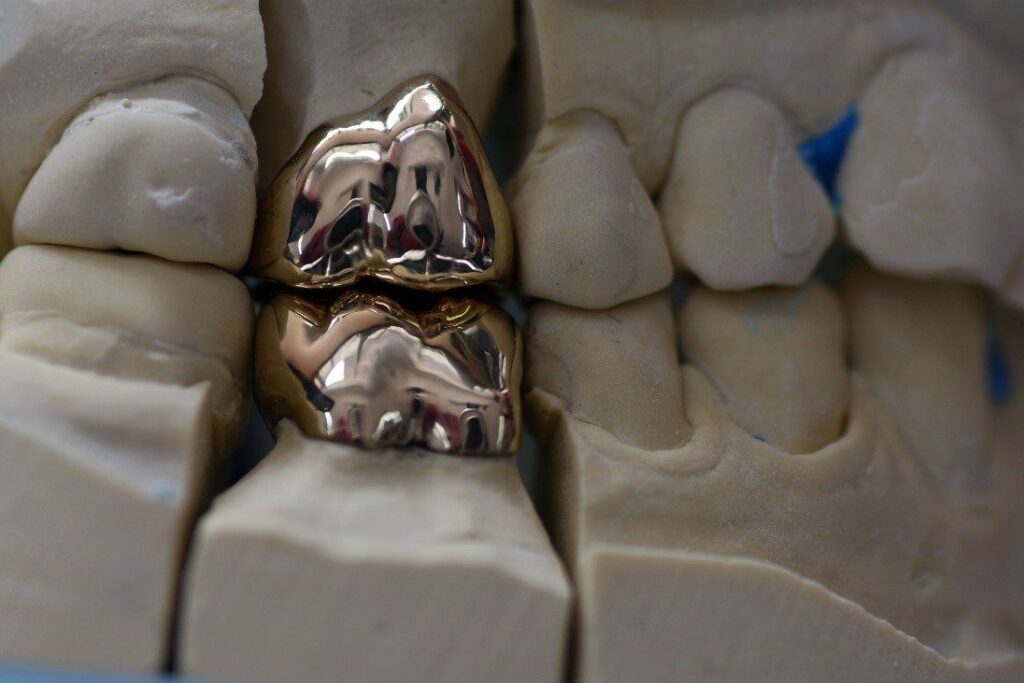
FULL GOLD CROWNS AND BRIDGES

Gold crowns are highly durable and resistant to chipping or breaking, making them an excellent long-term restoration, especially for patients with strong bites or teeth grinding habits. They can withstand heavy chewing forces and cause minimal wear to opposing teeth—comparable to natural enamel.

While gold crowns themselves rarely fail, issues can arise if the underlying tooth structure becomes fractured or decayed, or if the crown becomes loose due to dietary factors.

At Toothworx, we offer a range of full anatomical gold restorations in varying gold content to suit clinical and budgetary needs:

* 60% Gold
* 40% Gold
* 10% Gold

These options allow for both strength and aesthetic balance based on individual treatment goals.

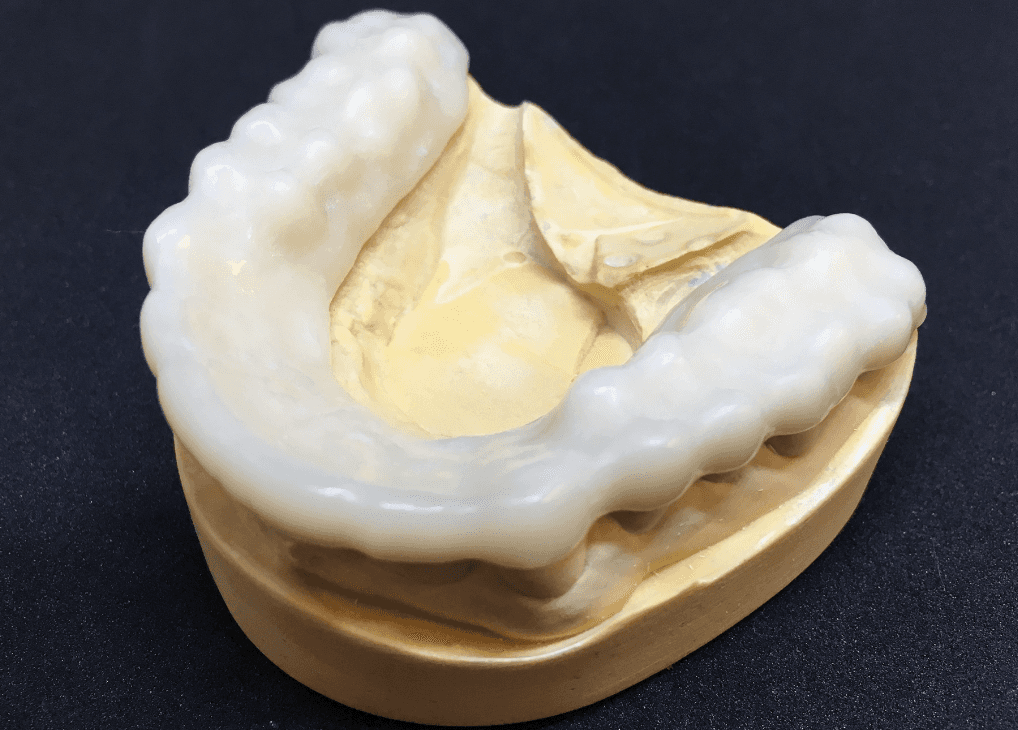
DIGITAL DENTAL SPLINTS

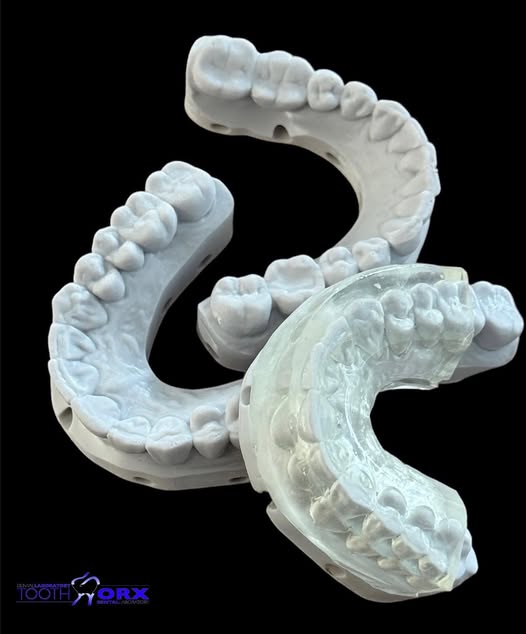
At Toothworx Dental Laboratory, we use the latest digital CAD software to design and produce high-quality removable dental splints with exceptional accuracy and efficiency—from scan to final fabrication.

Traditional splints made from hard acrylic or soft polyvinyl had limitations in comfort and adjustability. Our digitally designed and in-house milled or 3D-printed splints overcome these issues, offering strength, precision, and comfort.

We fabricate a full range of splints for TMJ, bruxism, and surgical needs, tailored to each patient’s occlusal plane. 

Available options include:

  • Michigan/Tanner Appliances – For TMJ dysfunction and bruxism, with no metal clasps.
  • Flat Plane Hard Bite Splints – Hard acrylic splints for balanced occlusal contact, with optional soft lining for added comfort.
  • Soft Bite Raising Appliances – Commonly used for bruxism and TMD; ideal post-crown protection.
  • Nightguards – Soft polyvinyl guards to protect teeth from nighttime grinding.
  • Essix Retainers – Clear, vacuum-formed retainers for post-orthodontic retention.

We’re also happy to collaborate on fully custom-designed appliances to meet specific clinical needs.


Indications

  • To protect natural dentition or new crowns, bridges and veneers from 
  • abnormal occlusal forces caused by clenching and bruxism
  • Where a splint with superior fit is required
  • Where positive retention without the use of clasps is desired
  • allow the condyle to seat in centric relation
  • provide diagnostic information – if a patient quickly becomes comfortable wearing a splint, then the disorder may indicate a muscular problem. If the symptoms get worse with splint wear, there may be an internal derangement (disc) problem
  • interrupt periodontal ligament proprioception
  • alleviate the pain of many types of temporomandibular disorders and bruxism.

Advantages

  • Adjustable as treatment progresses
  • Assist resolution of pain and symptoms
  • Long edentulous spans where denture teeth are required in the splint
  • As with any appliance, appliance may break down under extreme 
  • bruxism pressure

Restorations Gallery

Get in touch